• Skip to primary navigation
  • Skip to main content

Royal Hospital for Children and Young People

  • Home
    • Children
      • Coming to hospital
      • Being in hospital
      • Tests, Scans & X-rays
      • Having an operation
      • Going home
      • Wellbeing Hub
      • Health Resources
    • Young People
      • Coming to a clinic
      • Staying on a ward
      • Tests, Scans & X-rays
      • Going home
      • Transition to adult services
      • Wellbeing Hub
      • Health Resources
    • Parents and Carers
      • Accommodation for families
      • Financial Help & Advice
      • Charity support for children & families
      • Spiritual Care & The Sanctuary
      • Child Protection
      • Social Work
      • Play Service
      • Children with learning disabilities
      • Support and further information
      • Health Resources
  • Departments & Services
    • Community Services
    • Departments & Services
    • Health Resources
  • The RHCYP
    • Travel & Transport
    • Patient & Visitor Facilities
    • Wellbeing & further support
    • Radio Lollipop
    • Health Resources
  • Get Involved
    • About Us
    • ECH Charity
    • Family Council
    • Volunteer
    • Scottish Hospitals Inquiry
    • Radio Lollipop
  • Emergency Department
  • Show Search
  • Facebook
  • Twitter
Generic selectors
Exact matches only
Search in title
Search in content
Post Type Selectors
Search in posts
Search in pages
Filter by Categories
Accident and Emergency
Acorn Suite
Air Ambulance
Allergy
Anaesthetic
Asthma
Audiology
Bereavement Service
Blood Tests
Borthwick Ward
Brain
Breathing
Breathing support & Ventilation
CAMHS
Cardiology
Care Experienced Medical Team
Castle Mey Ward
Child Life & Health
Child Protection
Clinical Genetics
Clinical Research
Community Paediatrics
Community Services
Crichton Unit
Critical Care
Crohns
Cystic Fibrosis
Dalhousie Ward
Dental Service
Departments
Diabetes
Dietetics
Dirleton Ward
Discharge Planning Service
Dunvegan Ward
Ear Reconstruction
Emergency Department
Endocrinology
Epilepsy
Epilepsy Surgery
Gastroenterology (GI)
General Paediatrics
Haematology
Hepatology (Liver)
Hormones
IBD
Imaging Department (Scans & X-Rays)
Immunology and Infectious Diseases
Inflammatory Bowel Disease
Little France School
Lochranza
Major Trauma
Melville Unit
Neurodiversity
Neurosciences
Occupational Therapy
Oncology
Ophthalmology
Orthopaedics
Outpatients
Palliative Care
Pharmacy
Phlebotomy
Physiotherapy
Planned Investigations Unit
Plastic Dressings Clinic
Play
PPALS
Respiratory Department
Resuscitation Videos
Resuscitation Videos - British Sign Language (BSL)
Resuscitation Videos – Arabic
Resuscitation Videos – Bengali
Resuscitation Videos – Bulgarian
Resuscitation Videos – Cantonese
Resuscitation videos – English
Resuscitation Videos – Mandarin
Resuscitation Videos – Polish
Resuscitation Videos – Romanian
Resuscitation Videos – Spanish
Resuscitation Videos – Urdu
Rheumatology
Scans & X-Rays
Sleep
Social Work
Speech and Language Therapy
Spiritual Care
St John’s Hospital
Surgery
Trauma Service
Vision and Development
Hide Search

Yes

  • The RHCYP
  • Travel & Transport
  • Patient & Visitor Facilities
  • Family Support
  • Little France Teaching – City of Edinburgh Council
  • Radio Lollipop
  • Health Resources

Little France Teaching – City of Edinburgh Council

The responsibility for arrangements for education lie with a child or young person’s home school / local authority ( Education of children unable to attend school due to ill health: guidance – gov.scot (www.gov.scot)).

Education authorities have a statutory duty, under section 14 of the Education (Scotland) Act 1980 to make special arrangements for pupils to receive education elsewhere than at an educational establishment, where they are satisfied that they are unable, or it would be unreasonable to expect them, to attend a suitable educational establishment as a result of their prolonged ill health.

A child or young person absent from school through ill health may receive treatment in a variety of settings such as a paediatric hospital, an adult hospital, a mental health facility, their own home or in a different school. In some cases, this may mean that the child or young person travels to a hospital which is located beyond the local authority area in which they live or in which they are educated. Education may be provided in any and all of these settings and the responsibility for doing so remains with the child or young person’s home authority, even if the services are delivered by specialist outreach services of the local authority in which the hospital is located.

A base for education support is situated in The Royal Hospital for Children and Young People. A small team of teachers employed by the City of Edinburgh Council can teach primary and secondary-age children and young people if their school makes a referral for support.

Learning and teaching can take place in classrooms on the fourth floor, as well as at the bedside or elsewhere within their ward.

ward doors for Little France School with a blue sign above the doors stating the name in white letters and a mural with rockets either side of the door

The referral process

Hospital staff will identify children and young people who have planned admissions longer than 5 days and will signpost parents to the website containing information about Education of Children Unable to Attend School due to Ill Health.  If parents and the child’s school wish to access the service provided by City of Edinburgh Council, their school should complete the appropriate referral form.

Referral Form for Children Attending City of Edinburgh Council Schools

Referral Form for Children Attending Independent Schools/ Schools in a Council Area Out with City of Edinburgh


If a child’s education is not provided by City of Edinburgh Council the following charges for the service will apply and the home school/ local authority will fund this.
2024/25 Hospital Teaching Costs – Independent Schools/ Out of Authority

 1 -1 Hospital Teaching  per hour            £115.78
 Small class hospital teaching  per hour             £ 45.41

We operate during term time only, following The City of Edinburgh Council school holiday calendar.

a room with white walls shelves with toys at the wall and book shelves in the middle of the room

Working with parents

We appreciate that this might be a difficult time for you as a parent, carer or family member. City of Edinburgh Council teaching staff based at Little France will introduce themselves to you once the referral is received, before your child begins learning.

When lessons are one-to-one, you are welcome to stay. Equally, you may appreciate the opportunity to have some time to yourself.

Our teaching staff will liaise with you and your child/young person’s school regularly on the progress of their learning.
After they are discharged, their school will receive a report summarising their learning and teaching.

a woman and a little girl drawing at a desk

What we ask of your child

It is important for learners to let us know how they are feeling so that we can adapt our lessons and support them to take part where possible.

Working in partnership with schools

We will liaise with schools to ensure continuity and progression of education.

Regular communication and updates are made directly with the child/young person’s class or subject teachers and/or guidance team as required.

Once we have had some time to get to know them and have the information about their learning we need, we put together a personalised teaching plan to organise our lessons. We aim to keep base schools up to date with progress during their absence from school and liaise with relevant staff to support a return to their regular learning routine.a woman reading to a little girl sitting on a bed with a bright orange cover

Supporting primary school learning

Your child may work with just the teacher, or with a small group of children in our classroom or at the bedside. Our colourful classroom has a table, reading corner, some comfy beanbags and lots of books and games.

During their time with us, we hope to:

  • Help your child carry on with their learning
  • Cover some of the same work as their classmates
  • Make sure they feel confident about returning to school
  • Have fun!


a nurse sitting beside a child in a hospital bed using an over bed table to colour in

If your child is not feeling well

Every morning, we come round to check in and organise a lesson. We know that circumstances can change over a morning so please don’t worry if they are not feeling well enough for a lesson at the time we agreed. We can reschedule and try another time.

If your child feels unwell during your lesson, we encourage them to let us know – we can cut the lesson short or change our planned activities.

Supporting secondary school learning

Lessons take place either at the bedside or in our classroom. There is a bright, comfortable classroom with windows and lots of natural light. The nurse, doctor or ward team can help decide which place is best – and your child can be involved in that decision too.

We focus on English and Maths because they are core subjects, central to the whole curriculum. We can also support with social subjects such as Geography, History and Modern Studies. If there is another subject your child is particularly interested in, we will do what we can to help.

We will contact school to find out exactly what your child’s teachers are doing. Ideally, lessons will be in line with those their classmates have. That way they won’t miss anything important and will feel more confident when going back to school.a man talking to a boy using a wheelchair and looking at a laptop at a desk

Subject lessons are about the same length as they are at school but can be shorter if they need to be. We understand that there may be times when your child will only feel up to a short lesson. If they are too tired or unwell for their lesson, just let us know. We can always reschedule.

We can provide everything they need for learning. Our classroom is very well-equipped, with big tables, comfortable seats, wi-fi, textbooks, desktop computers, laptops, and a Smartboard. If they are learning on the ward, we will bring whatever they need.

We will also let teachers know how well your child is getting on and send them copies of any important work they have done such as essays and assessments.

If they are likely to be in hospital on the day of an exam, we can arrange for them to sit it here.


Rheumatology

· Oct 7, 2023 ·

wall mural with hot air balloons

Rheumatology is an area of medicine and healthcare that diagnoses and treats conditions or diseases affecting parts of the body including joints, muscles or bones. Some of these conditions cause inflammation (swelling and soreness).

The Rheumatology team sees children and young people with a range of conditions that might include:

  • Juvenile Idiopathic Arthritis (JIA)
  • Juvenile Systemic Lupus Erythematosus
  • Juvenile Dermatomyositis
  • Scleroderma
  • Mixed connective tissue disorders
  • Vasculitis
  • Chronic Non-infectious osteitis
  • Fever syndromes
  • Autoinflammatory conditions 
  • Uveitis
  • Biomechanical joint pain
  • Hypermobility syndrome

We use a range of medicines and treatments to try to support our patients to live full and independent lives as much as possible. Children and young people are cared for by a group of specialists (also known as a multidisciplinary team) which might include doctors, specialist nurses, physiotherapists, occupational therapists and ophthalmologists. We work very closely with other professionals, including pharmacists, play specialists, psychologists and art therapists, planning treatment, care and support according to what each child needs.

a boy and a girl walking up a hospital corridor

How to get an appointment with the Rheumatology team

Referrals can be made via your family doctor (GP) or a hospital doctor. New referrals for young people after their 16th birthday who are not already known to another hospital team are usually redirected to the adult Rheumatology team at the Western General Hospital.

Transition to adult services

We run specialist clinics for older children as they reach school-leaving age and help to prepare them for the move to adult services. We often get to know the patients that we treat and their families over many years. We may ask to see young people on their own at the beginning of their appointment, if they are happy to do this, and invite parents in afterwards.

Dunvegan Ward

· Feb 27, 2023 ·

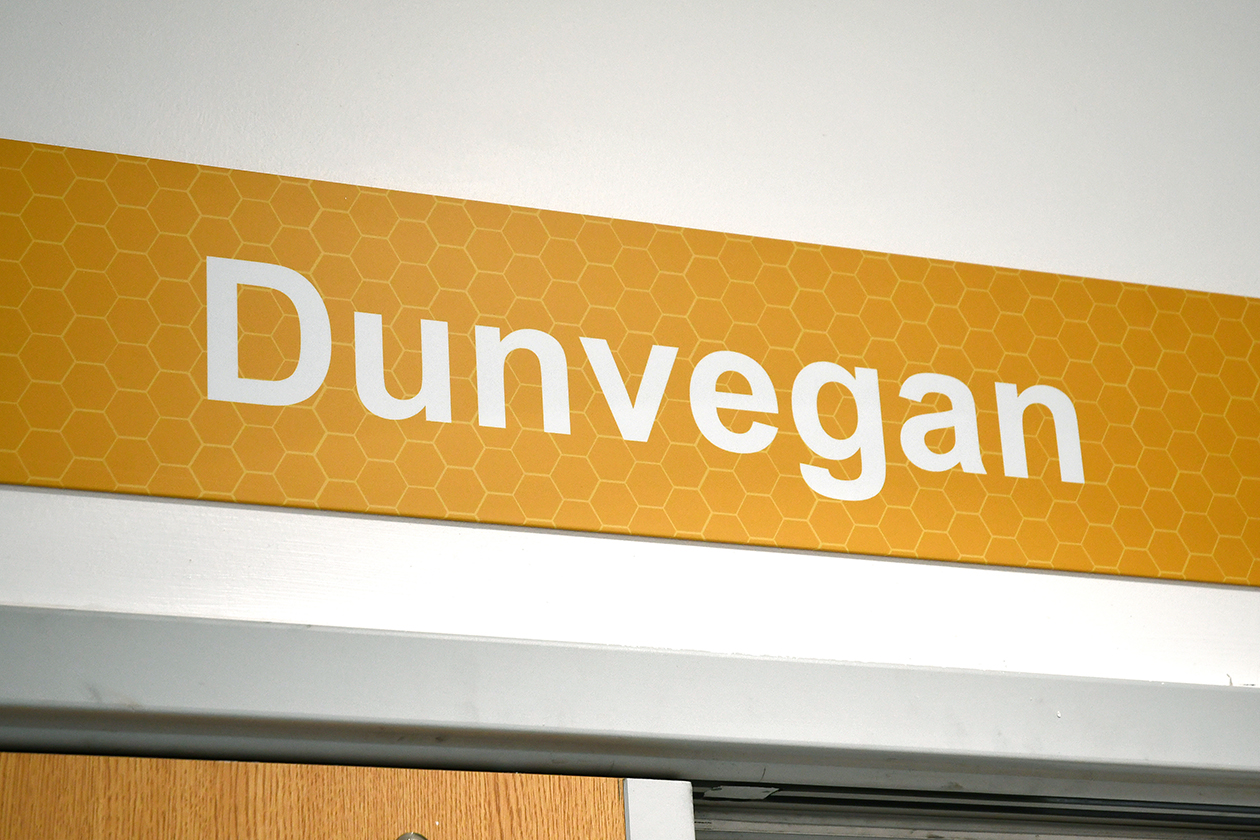
A ward sign that has white Dunvegan text on it and a yellow background with honeycomb pattern

Dunvegan is our inpatient surgical ward, for babies, children and young people who are being looked after by our surgical doctors and nurses. This might include having an operation or recovering after surgery and needing to stay overnight. Coming to Dunvegan ward doesn’t always mean that you need an operation. Some children may only stay with us for a short time and others may have lots of stays as we care for them as they grow and develop.

Telephone: 0131 3121332
Nurses in charge: Catherine Halliday & Sam Johnson

What to expect

Dunvegan can feel like a busy place, with space for 29 babies, children and young adults. Sometimes patients might be admitted in an emergency, for example after an accident or sudden illness. Other times you might have an operation or treatment plan scheduled on an agreed date.

Some children come to Dunvegan because they are under the care of a surgical team, but do not need to have an operation. A plan of care, treatment or therapy will be made for their time on the ward and discussed with children and their families, along with any changes that need to be made.

We understand that staying in hospital can bring up some big feelings. It is normal to feel nervous, worried or a bit scared. There are lots of people on the Dunvegan ward who can answer any questions and help you try to feel calm and relaxed. We also have plenty of things to do to try and fill the time while you are staying with us.

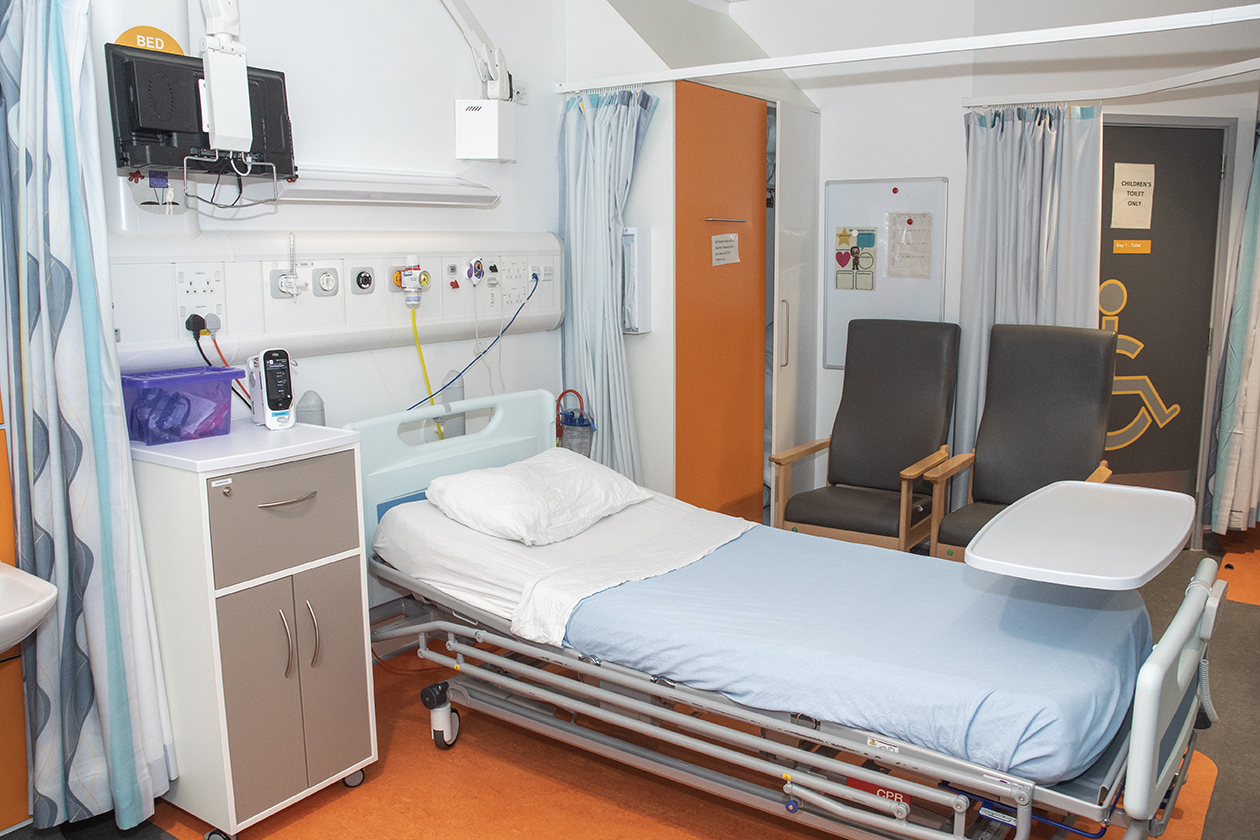
a hospital single bed with a disabled toilet and two chairs near it

Dunvegan ward has a mix of single rooms and 4-bed bays. Each bed space has a pull-down bed for a parent, adult family member or carer to stay in the hospital with you, as well as access to a bathroom with a toilet, sink and shower (for patients). There is a separate shower room for adult family members on Level 3 – please ask the nursing team to show you if you’d like to use it.

Neurodiversity

Neurodiversity is the concept that when it comes to the human brain, people do not end up all the same. We all have different talents, strengths and things that we find difficult. Society around us is neurodiverse – at school, college, in the workplace, our local neighbourhoods, hospitals and health centres.

Neurodiversity is not always visible or labelled. While many neurodivergent people will have a diagnosis such as ADHD, autism, dyslexia or dyspraxia (or a combination of these), many will not. And those with a diagnosis might not choose to share that information.

We all need to be aware of neurodiversity and can use that awareness to help us:

  • accept the fact that we all have different experiences and needs in the world
  • create more inclusive communities, schools and workplaces
  • ask for, and provide, accommodations that enable us all to thrive
  • fight stigma, discrimination and prejudice
  • highlight the benefits neurodivergent people bring to their communities.

Neurodiversity is the fact that all our brains process information in different ways. This means there are differences in how we take in information from the world around us and in how we put that information together in our brains. In turn, these ‘information processing’ differences lead to differences in how we act, and how we are.

For example, if a fire alarm goes off in a building, some people’s brains will process the noise and flashing lights and find it easy to decide to leave by the nearest fire exit. Other people will find their brains overwhelmed by the sights and sounds and may become very distressed or freeze.

Neurodiversity includes everyone – the whole human race is neurodiverse.

Visit the Neurodiversity page for information on supports and services available within NHS Lothian and the wider community, along with practical advice and links to help you take your next steps with confidence.

Clinical Research

· Oct 4, 2022 ·

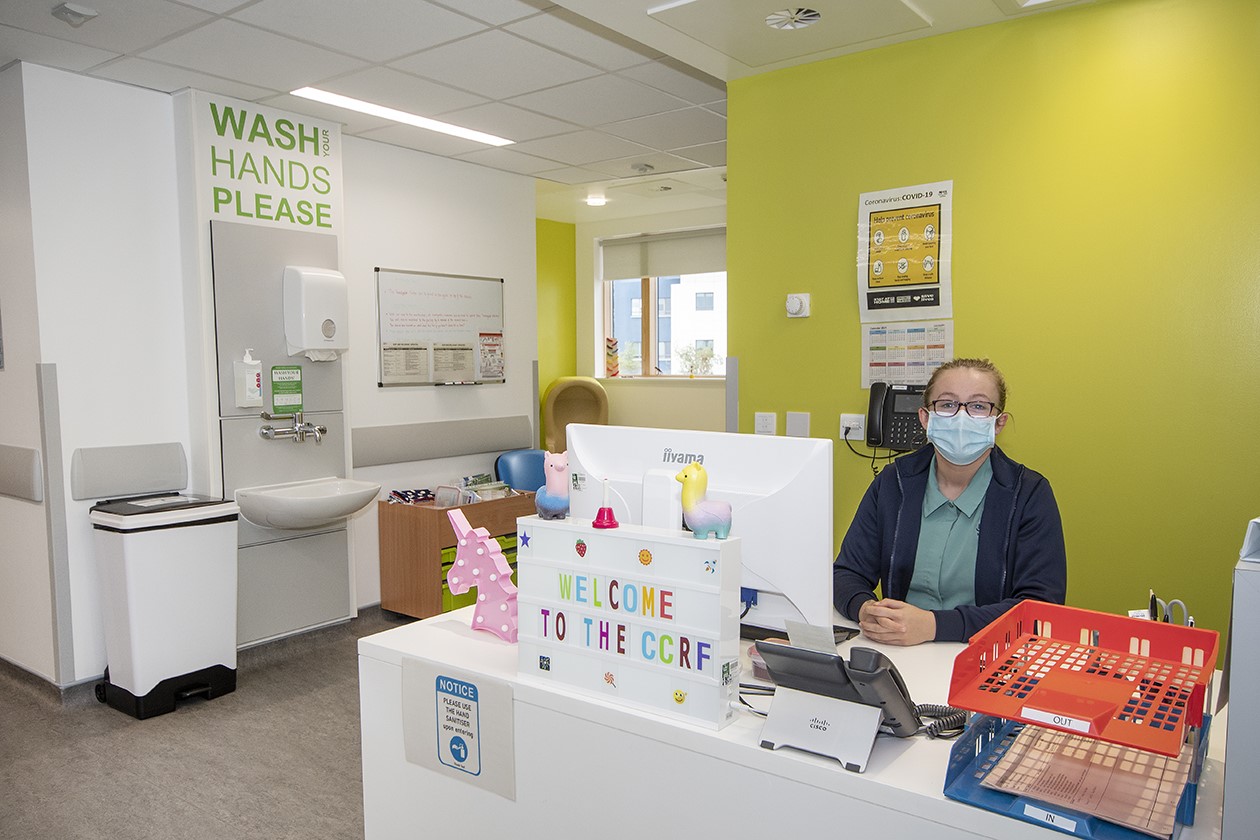
reception desk for clinical research with receptionist lady sitting at it

Paediatric clinical research means research for and about children. It includes trials, programmes and studies designed with children in mind, from babies up to young adults. The Paediatric Clinical Research Facility (PCRF) at the RHCYP in Edinburgh is where children and their families will come if they are taking part in a research study or clinical trial.

Our research takes place in a child-friendly area within a specialist children’s hospital, meaning that children can undergo research programmes safely and effectively in spaces designed for them. Our work is governed by robust ethically-approved protocols across a broad range of areas of medicine (also known as clinical specialities).

  • « Go to Previous Page
  • Page 1
  • Page 2
  • Page 3
  • Page 4
  • Interim pages omitted …
  • Page 13
  • Go to Next Page »
NHS Lothian and EHCH logos
  • Facebook
  • Instagram
  • Twitter

More Information

  • About Us
  • Accessibility statement
  • Freedom of Information (FOI)
  • Disclaimer

Contact NHS Lothian

Main Switchboard: 0131 536 1000

  • About Us
Manage Cookie Consent
We use cookies to optimise our website and our service.
Functional Always active
The technical storage or access is strictly necessary for the legitimate purpose of enabling the use of a specific service explicitly requested by the subscriber or user, or for the sole purpose of carrying out the transmission of a communication over an electronic communications network.
Preferences
The technical storage or access is necessary for the legitimate purpose of storing preferences that are not requested by the subscriber or user.
Statistics
The technical storage or access that is used exclusively for statistical purposes. The technical storage or access that is used exclusively for anonymous statistical purposes. Without a subpoena, voluntary compliance on the part of your Internet Service Provider, or additional records from a third party, information stored or retrieved for this purpose alone cannot usually be used to identify you.
Marketing
The technical storage or access is required to create user profiles to send advertising, or to track the user on a website or across several websites for similar marketing purposes.
  • Manage options
  • Manage services
  • Manage {vendor_count} vendors
  • Read more about these purposes
Preferences
  • {title}
  • {title}
  • {title}