Wellbeing can mean many different things – and sometimes a few of these things all coming together.
Wellbeing means being comfortable, healthy and happy. This might include your feelings and mental health, your physical health, your safety, having fun, feeling secure, being active and feeling loved, respected and valued.
Our wellbeing hub is full of videos, information and places to go to find out more.
Have a look around – we hope you find it useful!


Body image is how we think and feel about ourselves physically.
Sometimes, we worry about how we look or what our friends think about our body. If you're struggling with body image or want to read about how to help a friend:

A young carer is someone aged under 18 who cares for, or is affected by, someone else at home. This could be a parent, or a brother or sister. Being a Young Carer can affect your life in lots of ways and you might have worries or big feelings about it. There is help available and young carers can start by talking to an adult they trust, like a teacher or school nurse. Find out more about help for Young Carers.

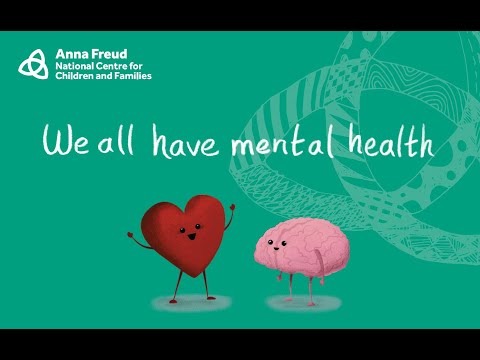
When we talk about how we think, feel and act, we are talking about mental health. Everyone has mental health, whether it is good, bad or in the middle. It includes our emotional, social and psychological well-being.
Scotland has a Children and Young People’s Commissioner, whose job it is to stand up for the rights of children and young people living in Scotland. Everyone has rights, but children have extra ones too!


When we talk about a relationship we mean when a person is involved with another person in a way that is romantic, intimate or sexual.
Consensual sexual activity means that everyone feels safe and happy.
Who runs the internet? What does your data do? How do you know what to trust online? How can you spot fake news?
The Digital Learning team from the City of Edinburgh Council has recommended this helpful information about protecting your privacy and staying safe online.
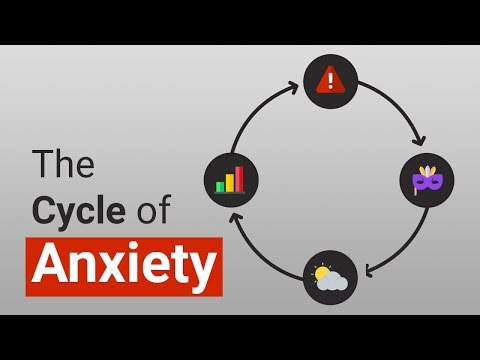
Anxiety is a feeling we get when we are worried or frightened. People use lots of different words to describe feeling anxious like feeling stressed out, scared or nervous.

Negative thoughts can make your low mood worse. Coping thoughts make anxiety or low mood smaller and help break the trap.

‘Choices for life’ has been brought together by our friends at YoungScot, with information about how using drugs, alcohol and tobacco can affect your health. It also has some really helpful videos, helpline numbers and advice for how to handle things when your friends use drugs or how to deal with peer pressure to try things yourself.
When you’re a teenager, your sleep needs are different to adults and children. You might find that you naturally stay up later and get up later, which doesn’t always match with your daily schedule of school, college, uni or work. Settling into good sleep habits is really important for your health and this online booklet has lots of good information as well as tips to create a healthy sleep habit that works for you.
Anxiety is a feeling we get when we are worried or frightened. People use lots of different words to describe feeling anxious like feeling stressed out, scared or nervous.

SMS is a free online service for children and young people living with long-term health conditions. By meeting and talking with other children and young people living with similar conditions, it can help to build confidence, friendships, communication and coping skills.
The Self-Management Service (SMS) is a FREE 6-week group programme for children and young people ages 9-17 who are living with a long-term health condition. The aim is to support you to develop coping strategies so that you feel more able to manage your health and wellbeing – as well as meeting other young people just like you.
Neurodiversity is the concept that when it comes to the human brain, people do not end up all the same. We all have different talents, strengths and things that we find difficult. Society around us is neurodiverse – at school, college, in the workplace, our local neighbourhoods, hospitals and health centres.
When you’re a teenager, your sleep needs are different to adults and children. You might find that you naturally stay up later and get up later, which doesn’t always match with your daily schedule of school, college, uni or work. Settling into good sleep habits is really important for your health and this online booklet has lots of good information as well as tips to create a healthy sleep habit that works for you.
Anxiety is a feeling we get when we are worried or frightened. People use lots of different words to describe feeling anxious like feeling stressed out, scared or nervous.

SMS is a free online service for children and young people living with long-term health conditions. By meeting and talking with other children and young people living with similar conditions, it can help to build confidence, friendships, communication and coping skills.
The Self-Management Service (SMS) is a FREE 6-week group programme for children and young people ages 9-17 who are living with a long-term health condition. The aim is to support you to develop coping strategies so that you feel more able to manage your health and wellbeing – as well as meeting other young people just like you.


