Occupational therapy helps people to participate in daily life to improve their health and wellbeing. Occupational therapy can help babies, infants, children, and young people learn, have fun, socialise and play so they can develop, thrive and reach their full potential.
Daily life is made up of many activities. Occupational Therapists call these “occupations”. Occupations for children or young people might include:
- Self-care such as getting dressed, eating a meal, using the toilet
- Being productive, including early play, going to nursery & school
- Leisure such as playing with friends or doing hobbies
Find out more about what Occupational Therapy Opens in new window is.
Help from Occupational Therapy
The Children and Young People’s Occupational Therapy service works in the hospital and the community across the Lothian area. You can request help from an occupational therapist by contacting your local children’s occupational therapy department. If you are a parent or carer, you can contact the service directly on the numbers below to arrange a telephone appointment for an initial discussion.
Any other person supporting the family, like teachers, health care professionals or social workers, can also request help from occupational therapy with the parent or carer’s consent.
Please complete this request for assistance form.
Before requesting help from Occupational Therapy, you might find it useful to look at the advice sheets below.
Contact Us
Please contact your local occupational therapy service if you require further information, are looking for some general advice, or if you would like to discuss a request for assistance.
Edinburgh: 0131 312 1070
East Lothian and Midlothian: 0131 446 4013
West Lothian: 01506 524 134
You can also find us on our social media channels, on the ‘Children and Young People’s Therapies and Support’ page on Facebook Opens in new window and also on YouTube Opens in new window.
What happens next?
When we receive a request usually the family will be offered a telephone consultation to discuss their concerns. They may be sent a letter asking them to contact the service to arrange this or they will receive a telephone call directly.
There are various ways in which support may be offered. These include:
- Providing reassurance, advice and support
- Providing information, e.g. parent carer workshops and health promotion
- Signposting to other services, community resources or groups
- Assessment and intervention if needed
Supporting your child’s development
It is not unusual for some children to find everyday tasks difficult. Children learn at different rates, and some need more help and support. Look in the sections below for some ideas to support your child’s development and skills – you might find these useful for home, nursery and school.
Also check out our social media channels (@NHSLothianAHP Opens in new window on Facebook, and Children and Young People’s Therapies and Support Opens in new window on YouTube) for more information and tips.
If you would like more support and information, please contact us.
Getting Ready
If your child is finding it tricky to get themselves ready, for example, getting dressed or going to the toilet, you may find the information in the following tabs helpful.
Dressing Tips

Toileting
Mealtimes
If your child finds it tricky at mealtimes, for example, using cutlery, preparing food or being a picky eater, you may find information to help them here.
Fine motor skills and Handwriting
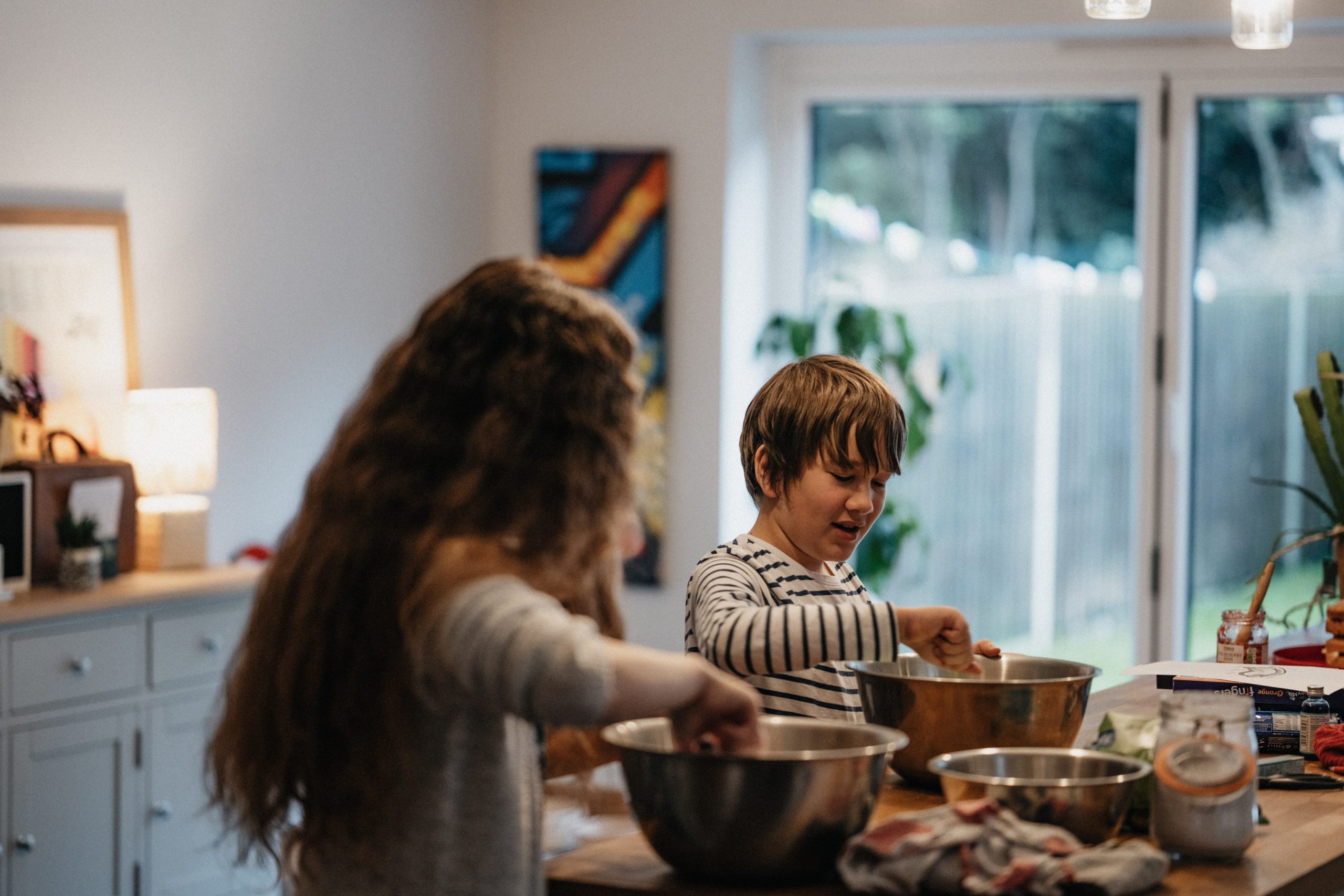
These sheets may support your child’s fine motor skills to help them to complete their classwork and prepare for handwriting:

Other Useful Websites
There are several helpful websites for parents and carers, with hints, tips and further advice for children and young people.
KIDS
Opens in new window Information and resources to support children’s development and skills from our colleagues in Glasgow
Bumps to Bairns
Opens in new windowResources and ideas for children aged 0-5 years from our colleagues in Highland
Child and Adolescent Mental Health Services
Opens in new windowInformation about NHS Lothian Child and Adolescent Mental Health Services (CAMHS) and useful online resources to support mental health and wellbeing.
Parent Programmes
Opens in new windowInformation about free courses and learning activities for parents and carers in different council areas, to support children’s development and behaviour from early years through to teenagers
Parent Club
Opens in new windowInformation and ideas for expectant mums and children and families through to preteen years.
Tiny Happy People
Opens in new window Advice and tips to help with communication skills and early child development
Call Scotland
Opens in new windowCALL Scotland is an Edinburgh based recourse library with equipment and information to support learners
Sleep Scotland
Opens in new windowResources and support to help your child get a good night’s sleep
Contact
Opens in new windowGuidance and information for families with disabled children
CIRCLE
Opens in new windowThe CIRCLE resources for early years, primary and secondary schools, to support inclusive learning and collaborative working
National Autism Implementation Team
Opens in new windowResources to support the inclusion of autistic learners in Scottish Early Learning and Childcare settings, Primary and Secondary schools
Salvensen Mindroom Centre
Opens in new windowSupport and information for parents, carers and professionals supporting children and young people with learning difficulties and additional support needs
Read more about services and resources to support sport and exercise, especially for people with additional needs:
Edinburgh Leisure Opens in new window
Information about accessibility and sports clubs for people with additional needs
Scottish Disability sports Opens in new window
Support and information about disability sport for children, athletes and players with a physical, sensory or learning disability
Edinburgh, All ability bike group Opens in new window
The Edinburgh All-ability Bike Centre (ABC) offers people the chance to get cycling, whatever their ability or background, with a wide range of adaptive bikes as well as standard solo bikes and tandems.
Riding for the disabled Opens in new window
Horse and carriage riding opportunities for people with physical, learning and sensory disabilities, with groups throughout the UK
