The Haematology and Oncology service looks after children and young people with cancer, other lumps and problems with their blood. This includes conditions like leukaemia, brain tumours, bone cancers, kidney cancers as well as some rare diseases. We also look after children and young people with haemophilia, sickle cell disease and other conditions affecting their blood.
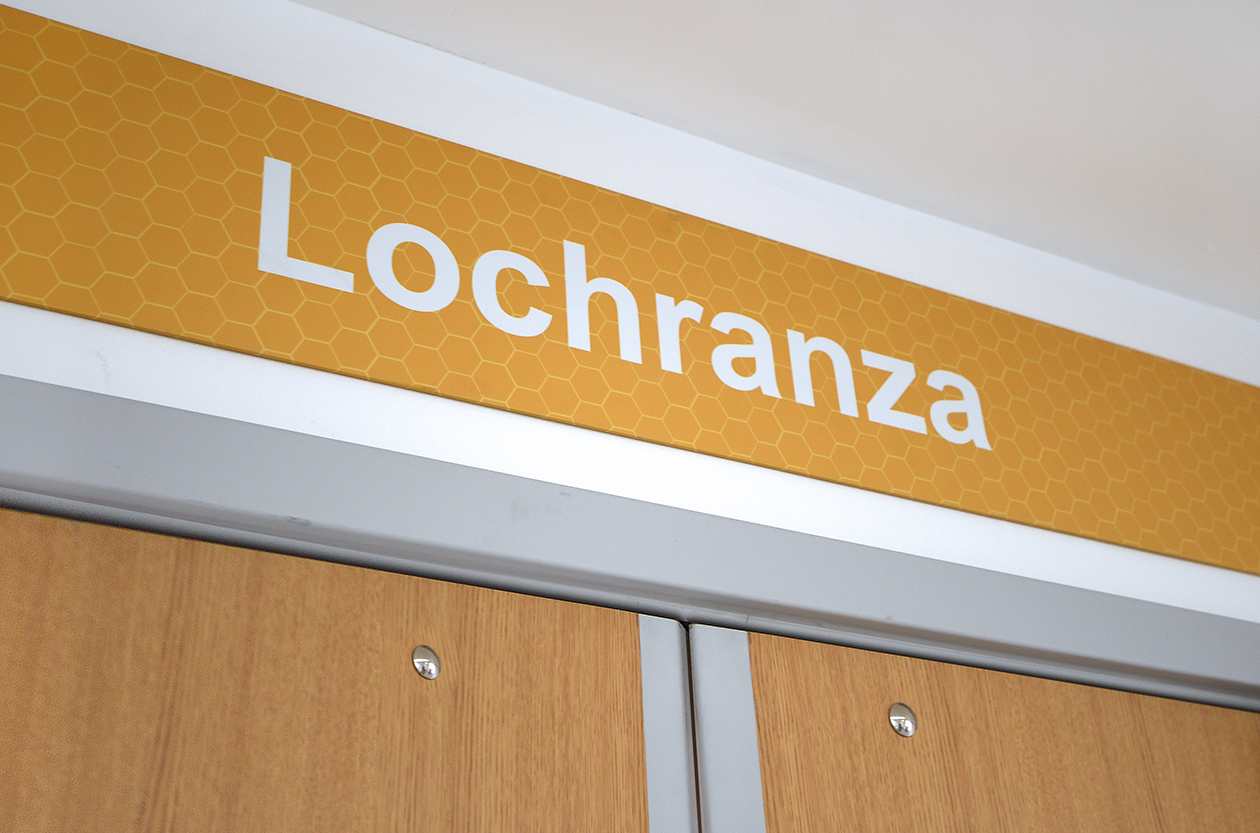
We look after families from all over south-east Scotland and sometimes even further away. You may be seen on Lochranza ward, in our Day Care Unit or at an outpatient clinic.
Lochranza ward: 0131 312 1334
For urgent, out-of-hours help, contact the ward on 0131 312 1731.
Wee Move – Gie it a go !
18th October 2025
Meadowbank stadium
Click on the ‘Wee Move’ tab below to find out more
Meet the team

Our patients are looked after by a team of doctors, nurses, consultants and specialists with each child’s care planned according to their overall health and condition. Each person you meet will introduce themselves with their name and tell you about what their job is. They will also be happy to answer any questions from patients and their families. Read our Clinical Nurse Specialist leaflet to discover who we are, what we do, and what to expect from our service.
Ward Clerk:
Sharon
Charge Nurse:
Stephanie Towler
Play Specialist:
Emily Hill
Teenage Cancer Trust Youth Support Worker:
Conor Smart
Consultants:
Susan Baird
Mark Brougham
Matt Howard-Jones
Angela Jesudason
Rosina Shujaat
Lesley Simpson
Associate Specialists:
Emma Johnson & Shona Mair
Pharmacists:
Neil Richardson & Claire Guerin
Nurse Specialists
Yvonne Adamson (Team manager)
Karen Brougham
Vicki Knox
Kirsten Law
Donna White
Shelly Anderson (Assistant Practitioner)
Stephanie Shanley (Assistant Practitioner)
Emanuella Crolla (Secretary, Nurse Specialists)
Lucy Paterson (Benign Haematology Nurse Specialist)
Rachel McAndrew (Neuro Oncology Nurse Specialist)
Bernadine Wilkie (Aftercare Nurse Specialist)
Helen Veitch (Wellbeing Practitioner)
Coming to a clinic

If you don’t need to be seen on the ward, or have finished a block of treatment, children are usually seen at the Haematology & Oncology outpatient clinic. These clinics are in the main outpatient area at the RHCYP in Edinburgh.
There is a reception desk to check-in when you arrive, and you will be shown where to wait. You are usually seen by a nurse first, who will check your temperature and blood pressure and measure your height and weight. A doctor will then ask some questions about how you are feeling and listen to your chest and feel your tummy.
Sometimes, you might need to have a blood test and we may need a sample of your wee! You might be asked to have an X-ray or special scans like a CT scan or MRI.
Lochranza Ward


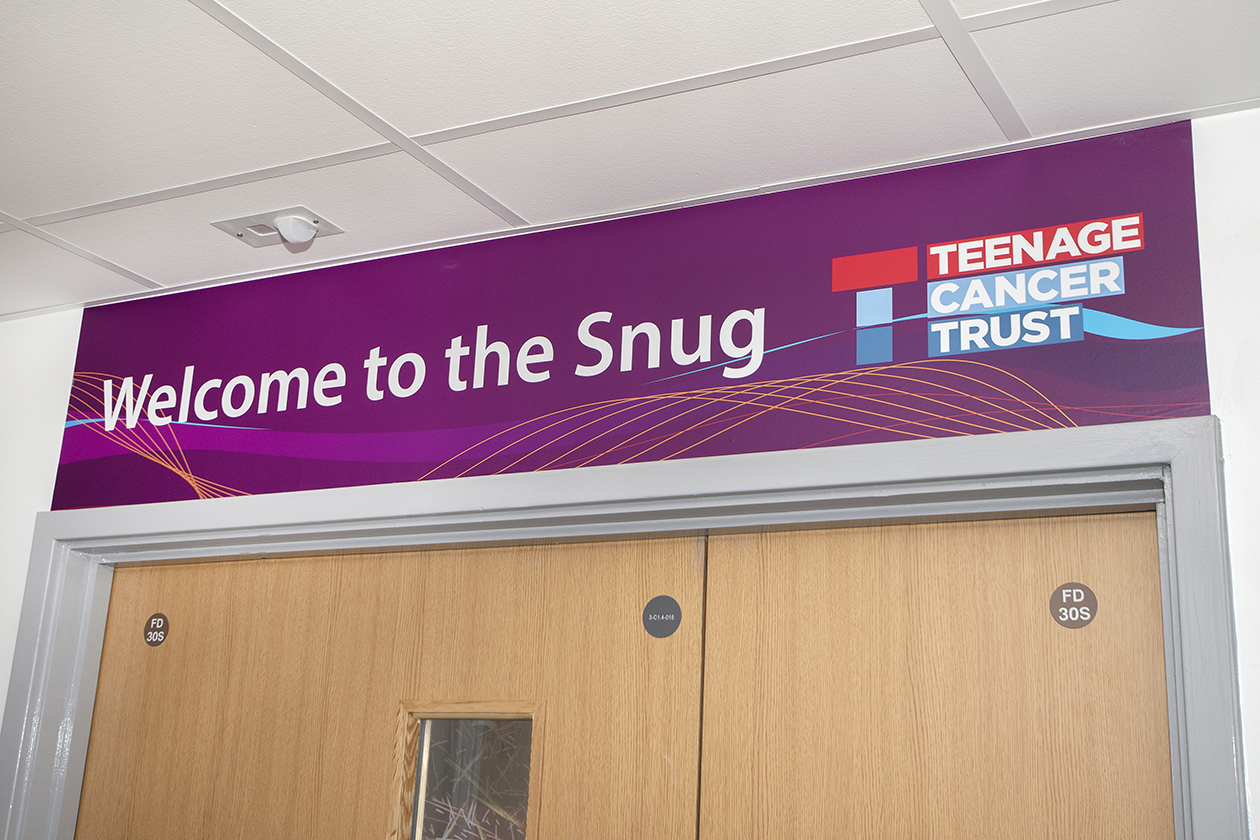
Lochranza Ward looks after children and young people with cancer, other lumps and problems with their blood. All the patients are looked after in rooms with their own bathroom and bed for a parent to stay overnight. We have dedicated facilities for teenagers in our Teenage Cancer Trust rooms, including a separate Snug and games room and a study area. If you need to stay in hospital one of your parents or an adult family member or carer can stay with you. There is Wifi available throughout the RHCYP, to connect your phone or device from home. Wifi codes are available from staff on the ward.
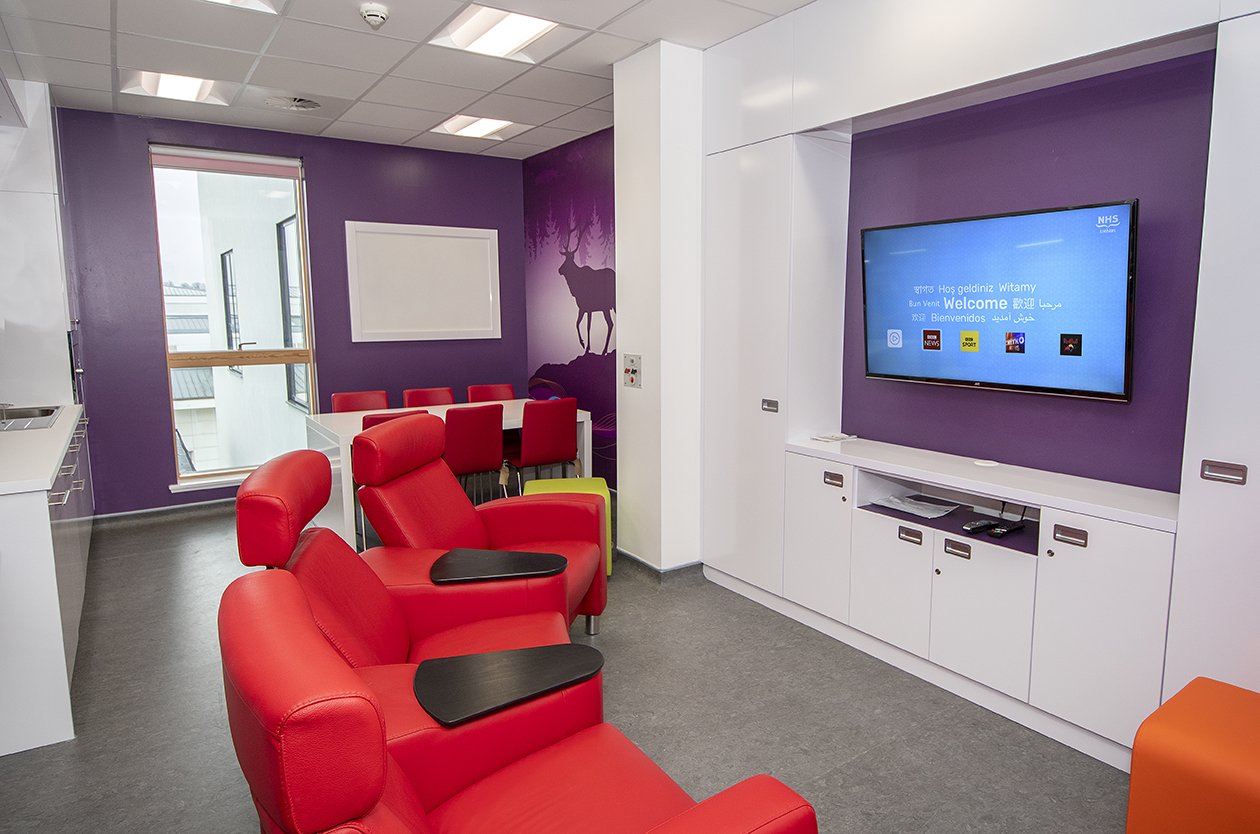
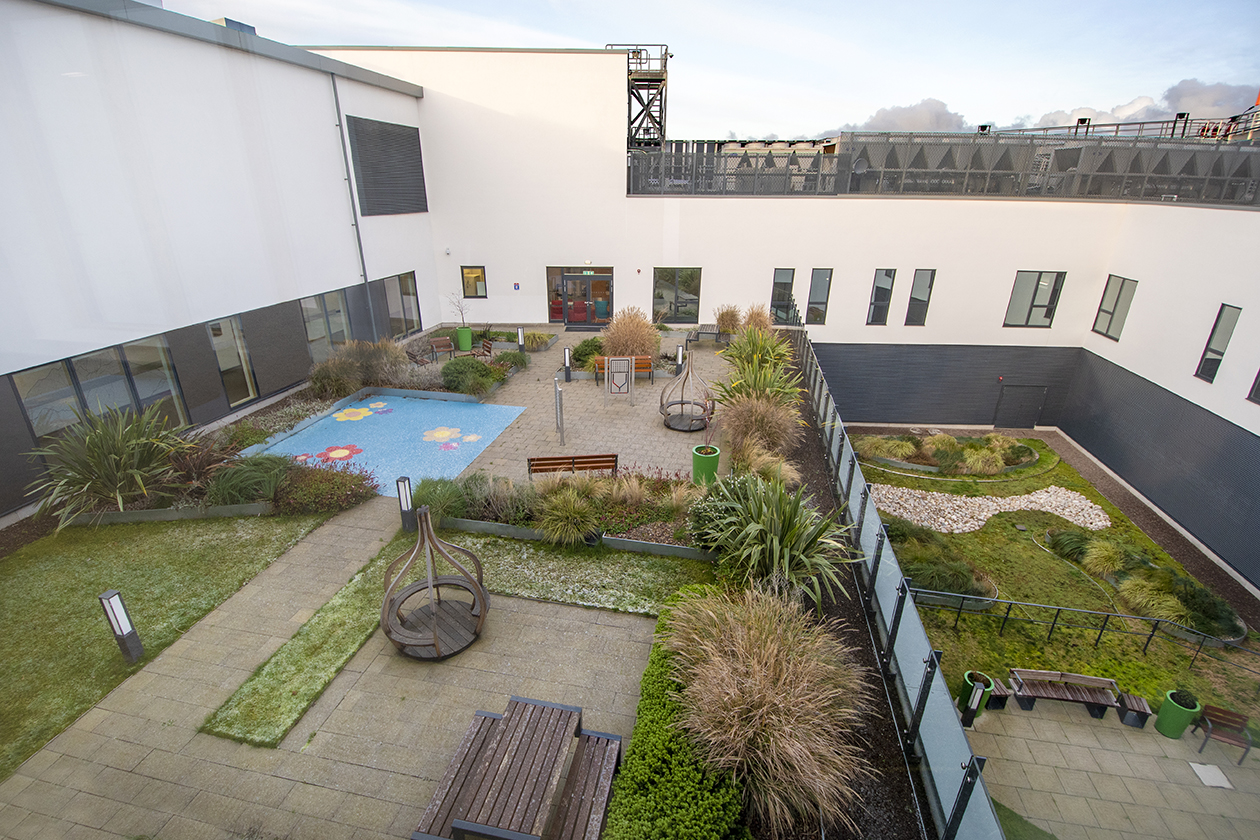
Lochranza can be a very busy place. Meals for children are served on the ward, with snacks and drinks available at other times, especially if treatment might be affecting their appetite. Each patient will be having a treatment plan that is unique to them and might also have visits from physiotherapists, dieticians and other people involved in their care. There is a garden area, to get some fresh air or play some games. The busy play room has lots of toys, activities, craft supplies and things to keep everyone busy. There is also an arts programme which includes visits from storytellers, dancers, magicians or musicians – there is always something going on!
Many children and young people on the ward are being treated with chemotherapy. Chemotherapy can mean that you lose your hair but it grows back. Some children wear cool wigs or bandanas – you can find out more about the Little Princess Trust, which can help children who have lost their hair. We understand that this might make you feel scary, or sad or sometimes anxious. There is always someone to talk to and to help answer your questions.

Lochranza Day Care
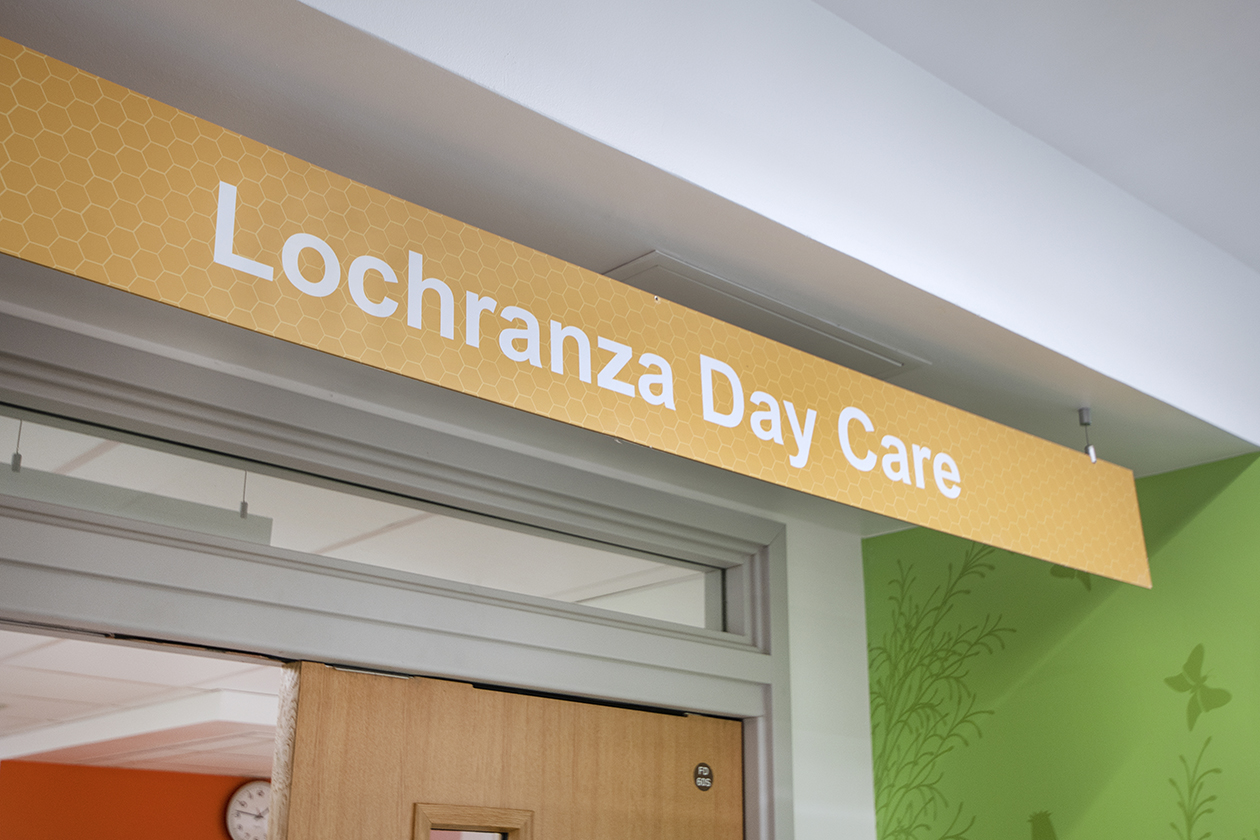
Some children and young people come to our day unit, called Lochranza Day Care. This is a day ward for children who don’t need to stay in the hospital overnight and is next door to Lochranza ward. We can give some treatment like chemotherapy or blood transfusions here.

Radiotherapy treatment at the WGH
Some children and young people have part of their cancer treatment at another hospital. Radiotherapy treatment takes place at the Western General Hospital (WGH) in Edinburgh. This is a different hospital in another part of the city. Radiotherapy is a special type of x-ray, using invisible high-energy x-rays directed towards a particular part of the body. Radiotherapy aims to kill cancer cells or stop them from growing.
Directions to the WGH
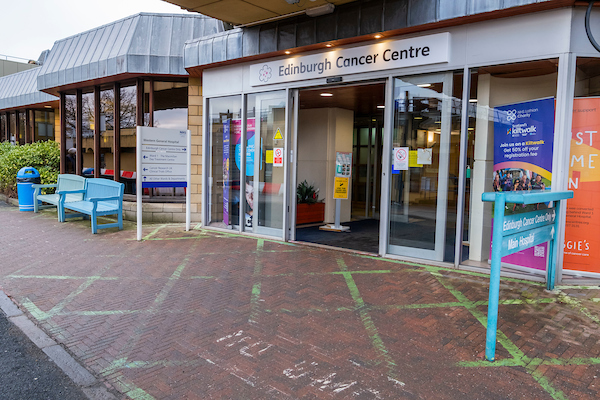
Radiotherapy appointments take place at the Edinburgh Cancer Centre, which is part of the Western General Hospital. It can be found on Hospital Main Drive, EH4 2LF. Hospital Main Drive can be accessed from Telford Road, with free parking in Car Park 6 for patients and families.
There is a lot of building work taking place at the Western General Hospital at the moment, meaning that some roads are temporarily closed or have diversions in place. Please allow plenty of travel time for your appointments.
Radiotherapy Team
Dr Moray Kyle (Consultant Clinical Oncologist)
Dr Sharon Peoples (Consultant Clinical Oncologist)
Lindy Cunningham (Paediatric Advanced Practitioner Radiographer)
Caron Smith (Oncology Deputy Charge Nurse)
Jane Curran (Oncology Charge Nurse)
Appointments and visits
Each child is under the overall care of a consultant and a team of oncology nurse specialists, who are based at the Royal Hospital for Children & Young People. This team plans all of your child’s care and treatment and is your first point of contact for questions or any concerns. The team at the Western General Hospital plan and carry out the radiotherapy treatment visits and appointments.
People you might meet at the WGH include:
- Nurses – specialist nurses may be involved in your care when you come for radiotherapy treatment. They are always happy to explain what is going to happen and answer any questions.
- Paediatric radiotherapy consultants – experienced senior doctors who plan radiotherapy treatment.
- Therapeutic radiographers – you will meet a specialist paediatric radiographer who will meet you on each visit, to explain what will happen and deliver your radiotherapy treatment, as part of a team. They have experience of treating children and young people.
- Anaesthetists – doctors who give you ‘sleepy medicine’ before your treatment, if you need to be asleep while radiotherapy treatment takes place.
- Other people to help and welcome you, such as reception staff or porters.
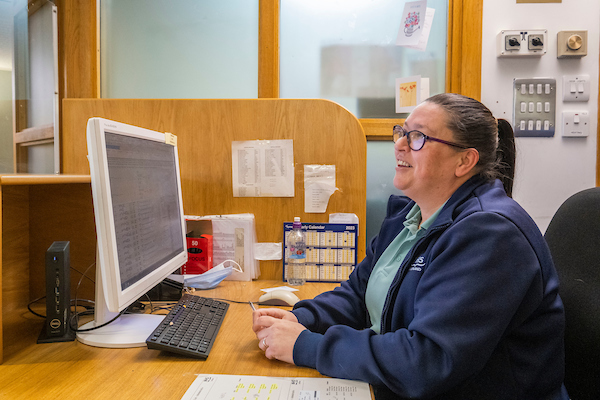
To get in touch with your radiotherapy team at the WGH (for example to talk about appointments or questions about your radiotherapy treatment dates), contact 0131 537 3329 or 07971 156702.
To get in touch with the Nurse Specialist team on Lochranza Ward at the Royal Hospital for Children & Young People, please call 0131 312 1740.
For urgent, out-of-hours help, contact Lochranza Ward on 0131 312 1731.
Family room
Children and family members bringing them for treatment will be able to use our family room – a quiet, private space to get ready for your appointment or ask any questions, with toys to play with and books to read while you wait. You are welcome to bring a favourite toy or teddy with you to your appointments.
Visiting for the first time
On your first visit, you will meet one of the Radiotherapy Doctors and Paediatric radiographer who will discuss your radiotherapy plan with you. You will be given the opportunity to have a look around, see what the radiotherapy treatment machine looks (and sounds) like, and ask any questions.
Sometimes you might also have a CT scan during your first visit to help plan exactly where the radiotherapy x-rays will go on your body, but usually you will be given a date to come back for your CT scan. The CT scan is a very important part of radiotherapy planning, and you will need to lie very still in the position you will be in for your daily radiotherapy treatment. You may need to lie still for up to 20 minutes.
Things to know about Radiotherapy
It is really important to keep still during radiotherapy, so that the special x-rays can reach the exact spot that they’re needed. Sometimes, to make this easier, you might have a special mask that is made for you. Masks are during your CT scan, on the scanner bed. They are made from a type of very thin plastic which is moulded to fit the shape of your head, face and shoulders. This can feel a bit strange, but making your mask will not hurt and you can ask for your mask to be coloured or decorated if you want to – maybe like a superhero, or your favourite animal!.
Sometimes, it might be better to have your radiotherapy treatment while you are asleep. This is called having a general anaesthetic. You will be given some sleepy medicine by a doctor, which makes you fall asleep and when your treatment is finished, you will wake up and be given a snack if you feel like it, like toast and jam – yummy!
For more information about having an anaesthetic.
Little marks are made on your skin using a pen, or sometimes a tiny needle, so that the radiotherapy x-rays go exactly where they need to. These are very small – a bit like a freckle.
Someone can come with you to your appointments and visits. They can stay with you at all times, except when you are having your radiotherapy x-rays – but they will always be very close by. You can bring a favourite toy, or a blanket, or something special from home to your visits. You can also listen to music or an audiobook during your radiotherapy treatment.
Radiotherapy treatment does not hurt. You won’t feel or see anything. Sometimes as you get further into your treatment course, the skin around your treatment area might feel become a little red and sensitive. If it does, you can be given some special cream to help soothe it. You might also feel a little tired towards the end of your treatment course.
Most children are able to go home again on the same day after their radiotherapy treatment. Sometimes you might need to go to Lochranza ward for other treatments as well.
Radiotherapy is usually delivered every day for a few weeks in a row – Monday to Friday, but not at weekends. Your radiotherapy treatment plan can be for up to 6 weeks and your Radiotherapy doctor will discuss this with you at your first meeting.
Watch: Guide to Radiotherapy
Our friends at Birmingham Children’s Hospital made this very helpful video, all about coming for radiotherapy. It shows what to expect and can help you work out any questions you might have for your doctor or nurse.
Family Support
Having a child with a condition that needs many visits to hospital can be a worrying time. Family Support is available at the RHCYP, where help can be given with travel costs, accommodation, benefits advice, a relaxing place away from the ward and sometimes just a listening ear. The Family Support Hub is on the ground floor and open to all families of every type.
Further information & support
Children’s Cancer and Leukaemia Group Opens in new window
The Brain Tumour Charity Opens in new window
Young Lives vs Cancer Opens in new window
Teenage Cancer Trust Opens in new window
Macmillan Cancer Support Opens in new window
Maggie’s Centre Opens in new window
Edinburgh Children’s Hospital Charity Opens in new window
Haemophilia Scotland – Inform, Support, AdvocateOpens in new window
Wee Move
 Cancer patients 0-18 years, treated at RHCYP, both living with and beyond cancer( up to 5 years off treatment) are invited to join us for a fun-filled day of movement, fun and connection for all abilities!
Come and try your hand at a new sport or activity!
Parents, carers and siblings are also welcome to come and join in. You will see some familiar faces from Lochranza!
Please complete the Wee Move registration form and return the document to a member of the team or scan and email it to Loth.WeeMoveRHCYP@nhs.scot
All other documents, see below
