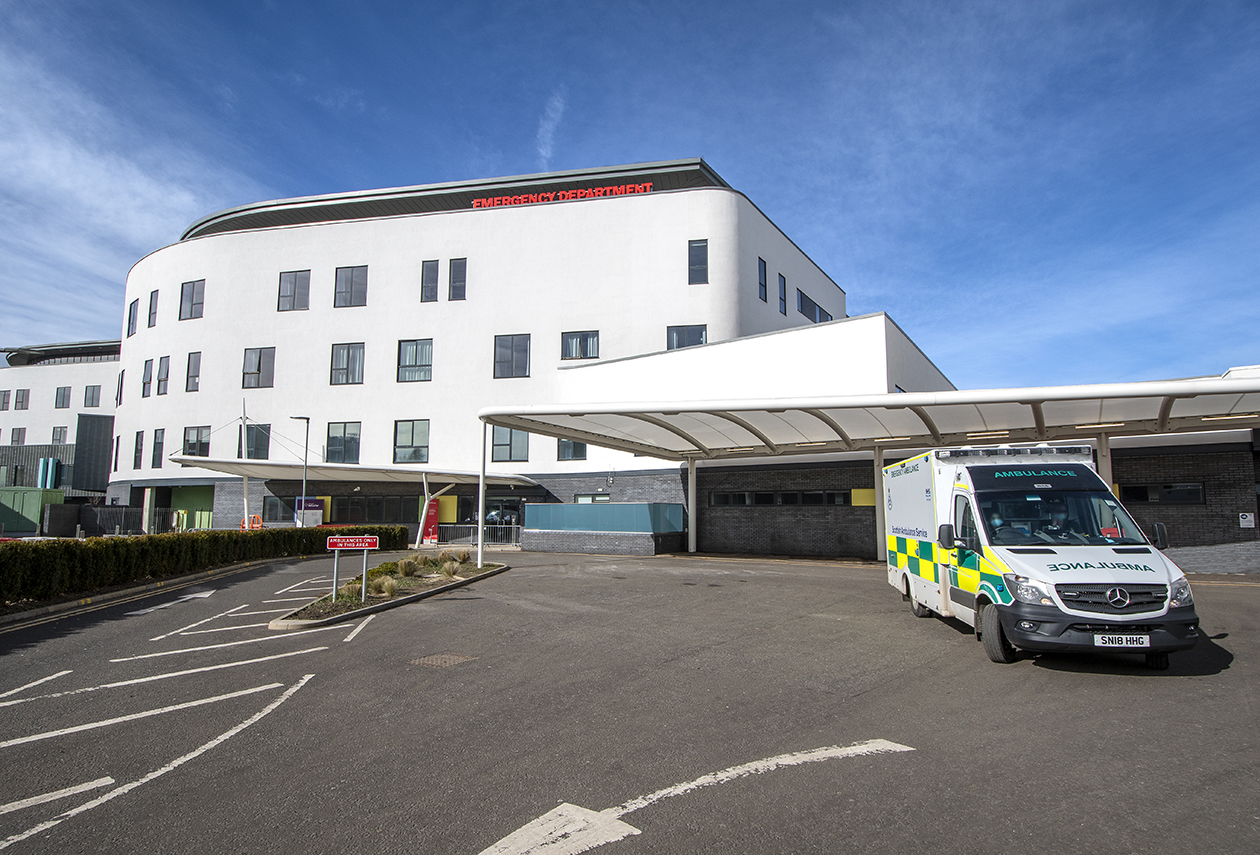
Major Trauma is a serious injury or a group of injuries which might be life-threatening and can sometimes cause changes to a person’s life, such as how they get around or how they might look. Scotland has a network of major trauma centres and the Royal Hospital for Children and Young People is one of them. This means that children and young people can be given the right care, in the right place, at the right time. This can save lives, prevent complications, speed up recovery and help children return to an active life.
What we do
The Major Trauma team at the RHCYP cares for children and young people who have had accidents that affect lots of different parts of their bodies. These patients might stay in a few different wards during their stay. They will have treatment from many different specialists including those working with broken bones, injuries to the head and spine, and skin injuries. Some children and young people might need operations and often start their stay in Critical Care. We see patients from across Scotland, including patients that have had an injury while on holiday.
The Trauma Team
 After a serious injury or accident, children will be cared for by a group of experienced nurses, doctors and professionals, most likely in the Emergency Department. The RHCYP has a dedicated trauma team, which follows up with children and young people and continues their care. We are a multi-disciplinary team, which means a group of specialists all working together. All of us are paediatric specialists, trained to look after babies, children and young people. Our team might include:
- Doctors including surgical and medical specialists
- Nurses, including nurse specialists and nurses on the ward
- Therapists, such as physiotherapists, dieticians, occupational therapists or speech and language therapists
- Specialists in mental health and wellbeing, including psychologists
- Play specialists to help children understand procedures and prepare for treatment
- Family support and charity partners to help the whole family
- Community healthcare teams, to help after going home
- Family doctors (also called GPs)
Trauma Coordinators
After a child or young person has suffered a major trauma, their care will be managed by a Trauma Coordinator who will help to bring all of the different treatments and services together in the best way for each child. Families will be able to contact them to discuss treatment, ask questions and help to make decisions at each stage.How to get in touch with Trauma Coordinators:
Phone: 0131 312 0277 Mobile phone: 07929 742551 E-mail: PaedsMTC@nhslothian.scot.nhs.uk Both contact telephone numbers have a voicemail answering service which will be checked at least twice each day. If you are unable to reach someone straight away, please leave your details and you will be called back.Contact us
What happens after a serious injury?
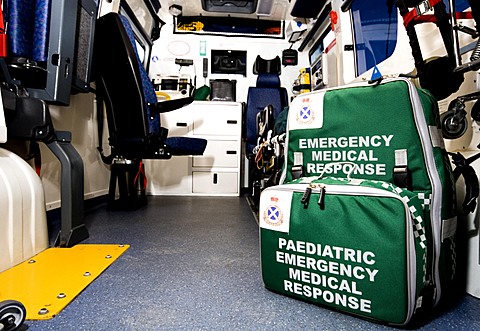
 When a child is injured, a decision is quickly made to bring them to the closest trauma centre, by road ambulance or sometimes using the air ambulance helicopter. The RHCYP in Edinburgh has a helipad on the roof, meaning that patients can be brought to hospital very quickly, while receiving emergency treatment as they fly. Care is also given to patients arriving by road ambulance before they reach hospital.
 Acute Care is the emergency care or treatment given when a patient arrives at hospital, in the Emergency Department. Trauma patients do not have to wait or register at reception – they are taken directly to start their treatment by a specialist team who are contacted before the patient gets to hospital and are ready for them to arrive.
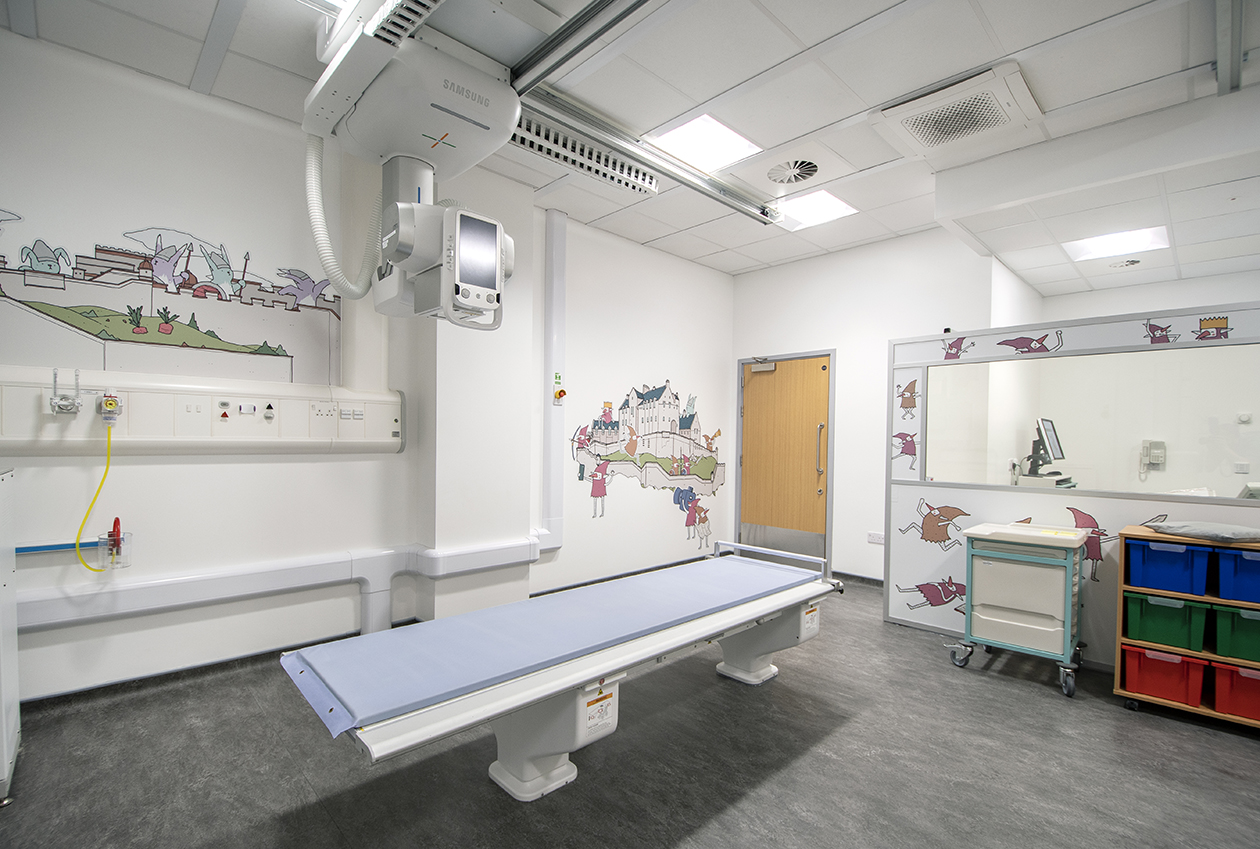 Ongoing Care might take place on a ward at the RHCYP. Children and young people will be welcomed onto the most-suitable ward, depending on their individual injuries, or the type of specialist help they need the most. Our wards at the RHCYP include:
- Critical Care
- Borthwick Ward – specialist ward for conditions affecting the brain, spine or nervous system.
- Dunvegan Ward – specialist ward for surgery (having an operation).
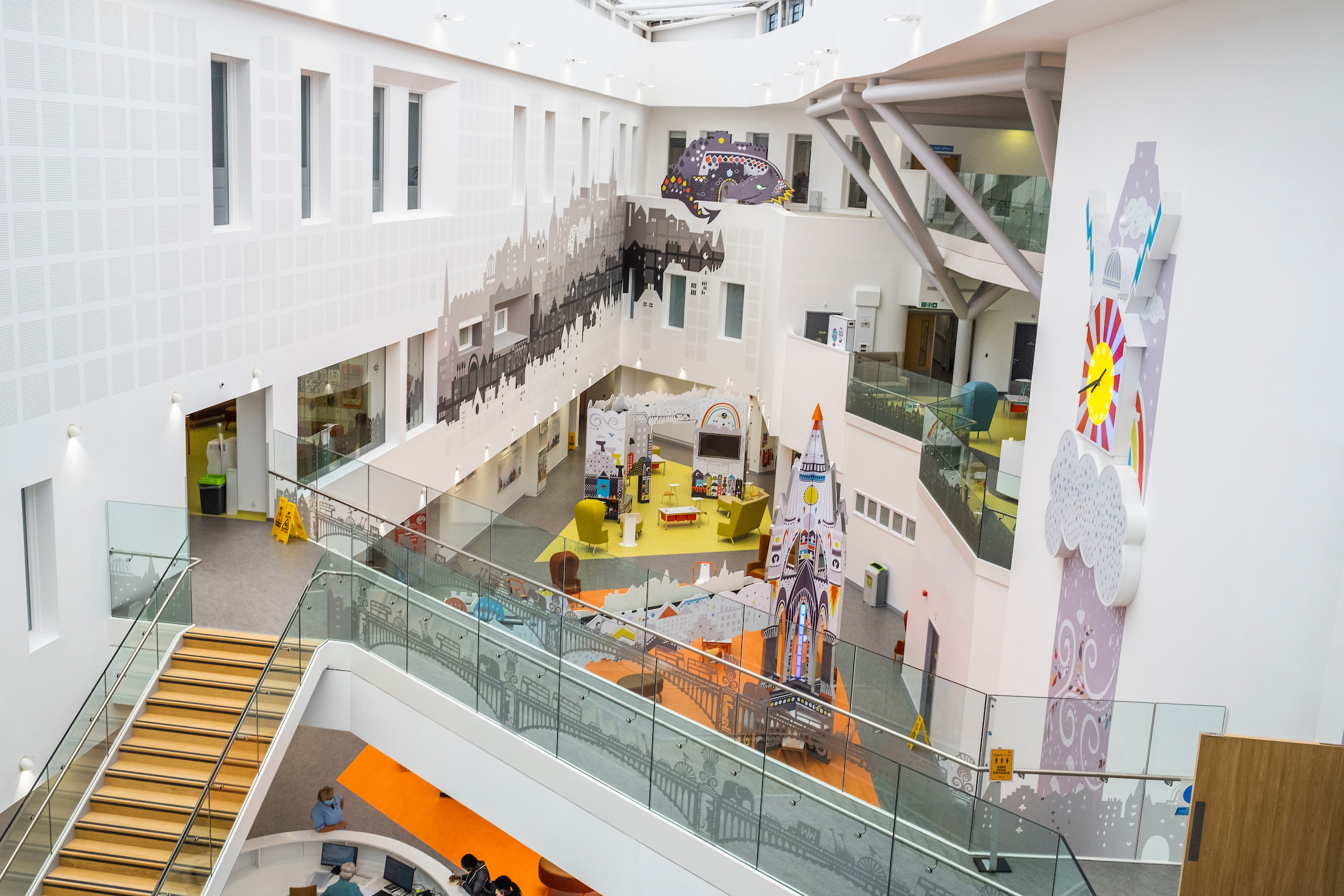 We also have a guide for children & young people about staying in hospital, with links that explain about the most common types of tests, scans or x-rays and tips about what to expect each day.
If they are well enough, some patients might be transferred to another hospital, such as a local trauma unit or to a hospital closer to home.
We also have a guide for children & young people about staying in hospital, with links that explain about the most common types of tests, scans or x-rays and tips about what to expect each day.
If they are well enough, some patients might be transferred to another hospital, such as a local trauma unit or to a hospital closer to home.
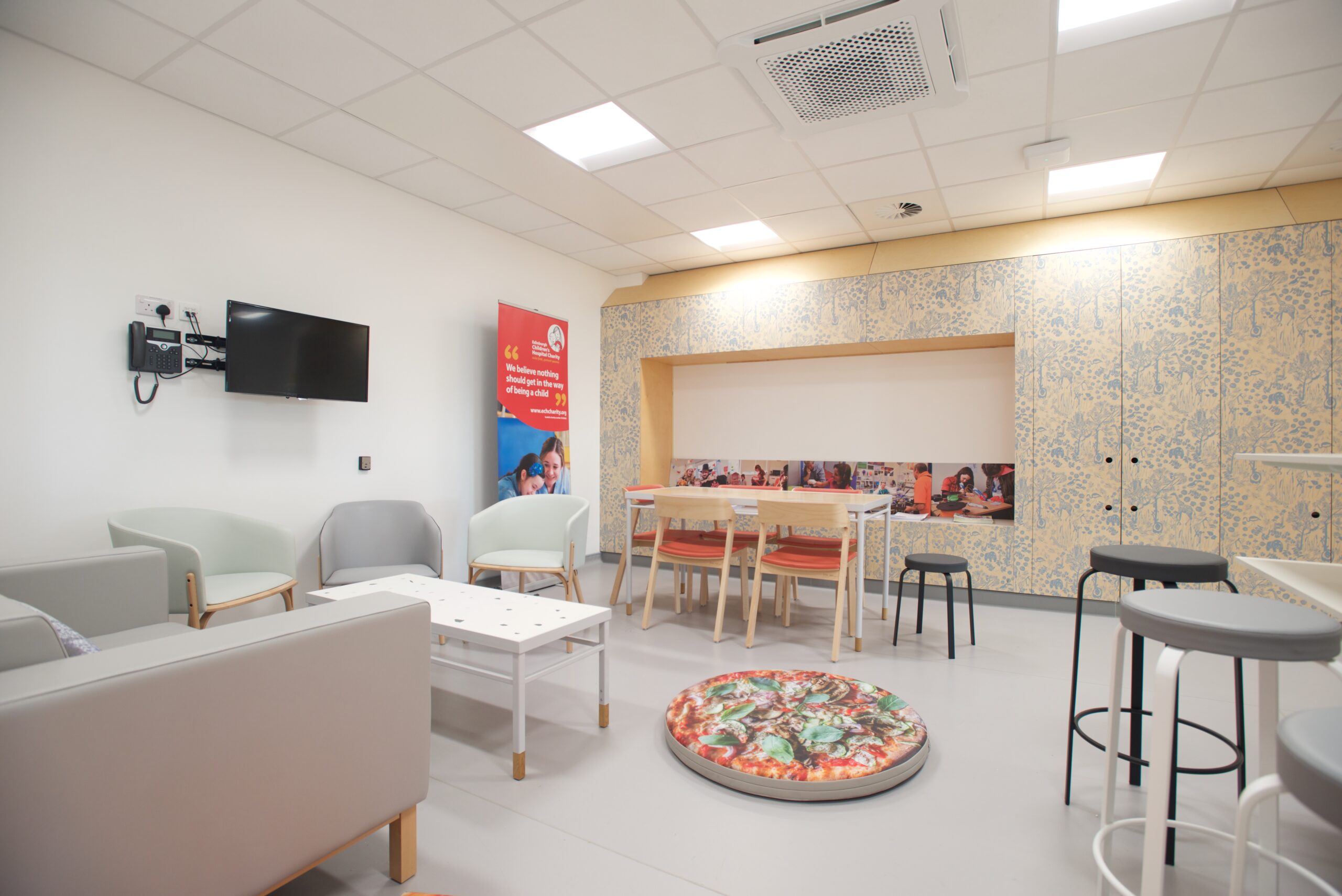
Family support
Having a child in hospital can come as a shock, particularly if they have experienced a sudden illness or injury. Our Family Support teams are here to offer practical, emotional and financial support, with staff based in the hospital.Rehabilitation
 Rehabilitation (also called rehab) is the name for a range of treatments to help children and young people recover physically and mentally, feel stronger and get ready to go back to everyday life. Rehabilitation will start early on in the hospital journey, after all injuries have been diagnosed and a plan has been made for treatment.
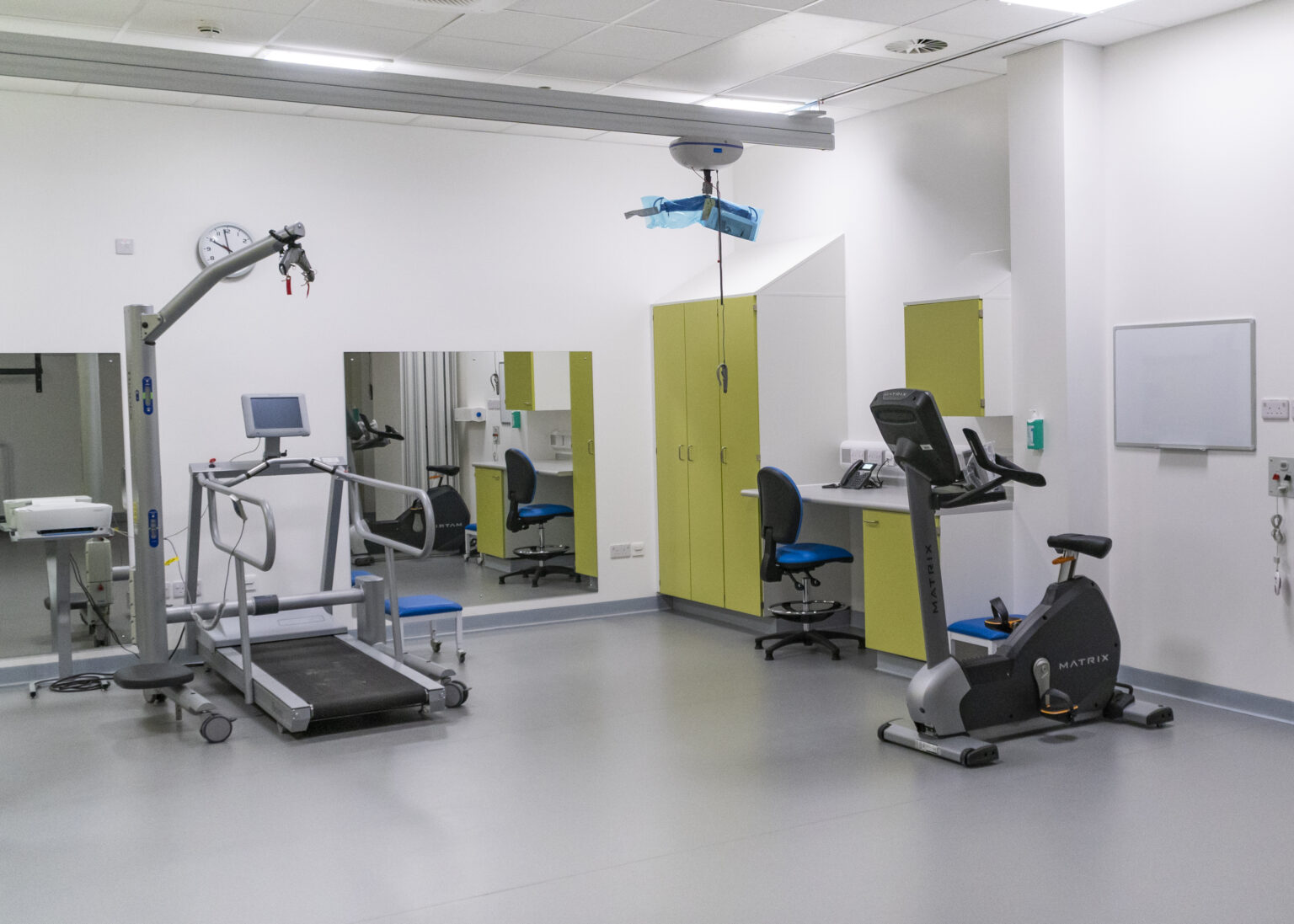 Rehab can happen over a short period of time, over a few months or sometimes longer. The major trauma rehab team are specially-trained to help children and young people and will support each child’s recovery until they are discharged to go home.
- Physiotherapists help to practice sitting, standing and walking and may plan exercises and stretches. Physiotherapy may also prevent children from developing a chest infection and keep their limbs and joints as supple as possible for when they start to get out of bed.
- Speech and Language Therapists help with talking and communicating. This can include helping children to eat, drink or swallow – particularly if they need help with their breathing.
- Dieticians can help to make sure that patients are getting good nutrition during their recovery.
- Occupational Therapists help children and their families to cope with everyday life, encouraging being more independent with everyday tasks such as dressing, with the aim of improving each child or young person’s physical, emotional and mental wellbeing. Setting goals and building resilience during rehab can improve each child or young person’s quality of life as they move towards their discharge home.
- Clinical Psychologists or Paediatric Neuropsychologists can support children, young people, and their families and schools to better understand and manage their emotions, behaviour and cognition (thinking skills) following major trauma. This may include helping families reflect on ways of coping, providing support with any distressing experiences in hospital, or offering a space to discuss what happened. If the major trauma involved an injury to the head, they can also help with understanding and adjusting to any cognitive changes, such as difficulties in attention, concentration, memory or communication.
Going Home

When you and the team working with you feel you are ready to go home you will be discharged from hospital. You might go straight home from the RHCYP, or you may be transferred to another local hospital first, particularly if you live a long way from Edinburgh.
If you still need rehab after you have left hospital, you will be referred for outpatient services or rehab at your home. The Trauma Coordinator will be able to explain what happens next.
Once you’re back at home, the Trauma Coordinators may give you a call after a week or two, to see whether you are managing well and getting back to your usual activities (e.g. school). You are welcome to contact them at any time after discharge if you have any questions or concerns.
Nutrition for recovery
Energy (calories)
If you don’t eat and drink enough, the body will start to breakdown its own stores, including muscles, to repair the damaged tissues. This may cause you to lose weight, lack energy and struggle to do your rehab. When you are in hospital we will check your weight, at least weekly. If you are maintaining your weight, then it is likely you are managing to eat and drink enough. If you do need a little more energy, the following can help:- having snacks in between meals and before bed
- having small amounts more often, which can be easier than eating larger meals
- having nourishing drinks made from milk (or milk alternatives) like milkshakes, hot chocolate, or malted milk drinks
- choosing higher energy foods; avoid anything that has “diet”, “light”, or “low” on the label.
Protein
You need protein to repair and grow all body tissues including muscle and skin. Try to have 2 -3 portions per day. For example:- meat such as chicken or turkey (or alternatives such as tofu, soya, or Quorn) at lunch and dinner
- adding beans (baked, kidney or mixed), lentils, pulses, or grains to meals or as a side serving
- having fish twice per week, with one ‘oily fish’ like salmon, mackerel or fresh tuna
- having nuts or seeds as a snack, or sprinkled over cereal or granola,
- adding eggs to sandwiches, salads, or meals
- adding dairy foods (or dairy alternatives) by having yogurt after meals, as a snack or a milky drink before bed
- milk-based puddings such as yogurt (Skyr or Greek), rice pudding, custard, or whipped desserts
- higher protein snacks like nuts, pitta or vegetable sticks with dip or houmous, apple slices with peanut butter, crispbreads or rice cakes with cottage or cream cheese.
Vitamins and minerals
Almost all vitamins and minerals have a role in wound healing although some are more important than others. The best way to make sure you are getting enough is to aim for five portions of fruit and vegetables each day. You can do this by:- having a 150ml glass of fruit or vegetable juice with one meal
- having fresh, tinned (in water, not syrup), or dried fruit with cereal, yoghurt or as a snack
- having soups
- adding vegetables to meals or have as a side serving
- having chopped vegetables and dip or houmous as a snacks
- aiming to eat the rainbow – pick lots of different coloured fruits and vegetables to make sure you get a good variety.
Starchy carbohydrates
Starchy carbohydrates include foods like bread, rice, pasta, potatoes, cereals, grains, and crackers. They give us essential vitamins, minerals and fibre and they are our body’s preferred source of energy. Aim to have a portion of starchy carbohydrates at each meal and use wholegrain options where possible. Examples include:- Bread
- Pasta
- Rice, bulgar wheat or quinoa
- Cereals such as porridge, wheat biscuits or wheat pillows.
Drinks & Fluids
You may not feel as thirsty as usual as you’re not doing your usual activities. You might also find getting up to use the toilet difficult. Speak to a member of staff, or family if this is a worry for you. Drinking is an important part of your recovery, and you should aim for:- 6-8 cups of fluids each day including water, milk, squash, fruit juices, soups, hot chocolate, tea, and coffee
- Only 1 caffeinated drink per day (tea, coffee, fizzy drinks, energy drinks).
Information for families