The Paediatric Psychology and Liaison Service (PPALS) is a specialist team that includes clinical psychologists, psychological practitioners, neuropsychologists, psychiatrists, creative arts therapists and a nurse therapist, all of whom are specially-trained to work with children and young people. We use psychological approaches to promote health, wellbeing and development.
Trainees and assistant psychologists also work within the team under supervision. We are part of the NHS Lothian Child and Adolescent Mental Health Service (CAMHS) and receive support from Edinburgh Children’s Hospital Charity (ECHC) and It’s Good 2 Give.
Who do we work with?
We work with children and young people who:
- Are under the care of a consultant at the RHCYP
- And have a physical health condition
- And are experiencing psychological or behavioural issues related to their physical health condition
- And the difficulties impact significantly on their day-to-day life.
What do we do?
We think it is important to look at the whole person and things that may be affecting your health and wellbeing. Research shows that:
- Children with physical health problems are sometimes more at risk of developing mental health difficulties.
- Psychological approaches can improve how you cope and your quality of life.
We will try to help you and other people around you to:
- Understand the physical health condition,
- Think about how this makes you and other people feel,
- Look at ways of coping with different symptoms, emotions, thoughts and behaviour
- Explore things that would help your overall wellbeing.
We also work closely with medical teams, schools and other professionals, and we meet regularly with different teams in the hospital.
Art & Play Therapy
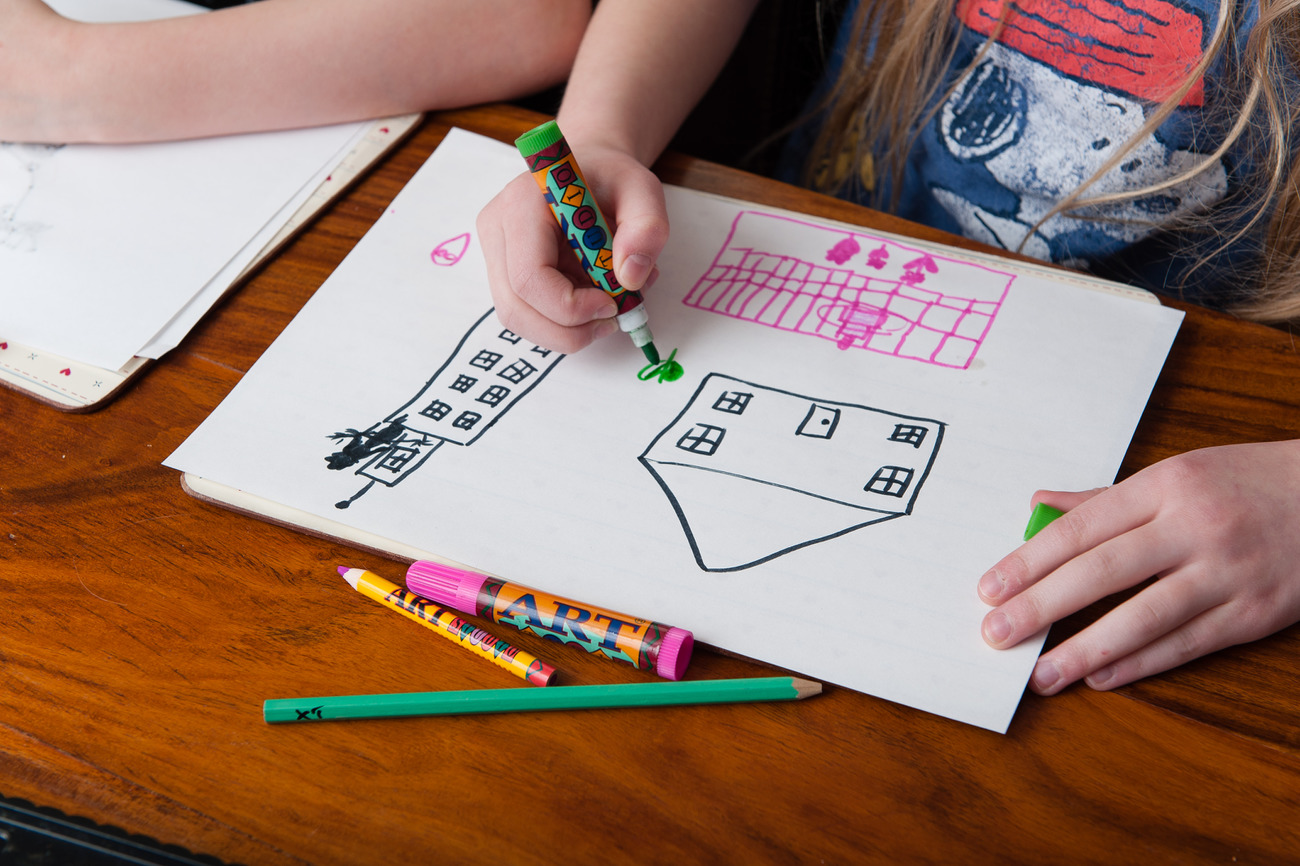
For some children and young people, having a space to reflect on their thoughts and feelings can be more helpful than talking about them. This may mean exploring their experiences through drawing, painting, sculpture, or sensory activities such as making potions and playing. Sometimes it might be helpful to meet with an Art or Play Therapist, who can support children and young people to work towards a goal and help them cope with difficulties such as low mood, anxiety, procedural anxiety and more. Your medical team might discuss this with you and, if you agree, they can make a referral to us.
Meet the team
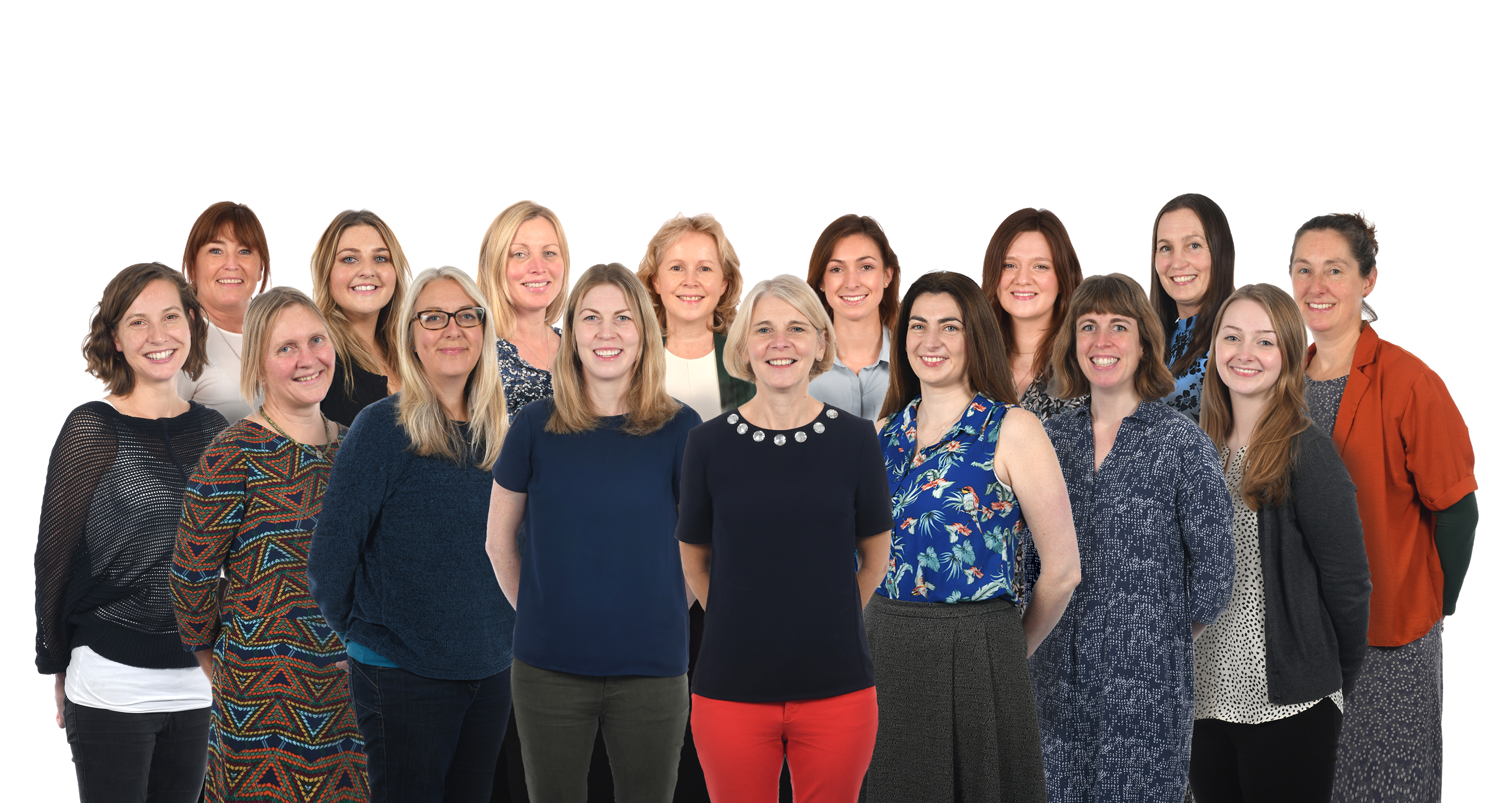
Consultant Psychiatrist
Dr Angela Jones Dr Ashley CameronConsultant Clinical Psychologist
Dr Rachel BrackenridgeClinical Psychologists
Dr Catriona Moffat Dr Grainne O’Brien Dr Shannon Connolly Dr Sarah Ross Dr Cyan Harte Dr Eleni Vasilopoulou Dr Orlagh Keating Dr Suzanne Felix Dr Alyx Hamilton-Smith Dr Emma Martin Dr Jordan Bibby Dr Holly Robertson Dr Molly BruceClinical Neuropsychologists
Dr Kirsten Verity Dr Jo PhillipsAssistant Psychologists
Chloe Fyfe Cari Klipp Grace Mackney Elana BertramPsychosocial Nurse Practitioner
Orla DuncanPlay Therapist
Lynn McSkimmingArt Therapists
Pauline CollesAdmin Team Lead
Tracy Dishington (Admin Team Lead) Molly Rushforth Telephone: 0131 312 0528 (with an answerphone service) Monday-Friday, 9am-4pm Trainees and Assistant Psychologists also work within the team under supervisionHelp in an emergency
In emergencies, please contact your GP or NHS 24 in the first instance. If necessary, contact the Royal Edinburgh Hospital switchboard – at 0131 537 6000. The Mental Health Assessment Service (MHAS) will discuss the situation with the specialist Child and Adolescent Psychiatrists on call.Getting help from PPALS
What happens next?
We will contact you to arrange an assessment appointment. This usually takes place in a clinical setting, or sometimes we meet young people in their ward. We have a waiting list but will offer an appointment as soon as we can. We sometimes send you some self-help information to give you some ideas to try out while you wait for your first appointment with us.What happens when we meet?
When we first meet with young people or their families, we usually:- Talk about your concerns and try to make sense of them together with you
- Try to think about things that might help
- Explain what our service offers
- Think about whether we are the best service to help you
- Come to an agreed plan between us.
- Individual talking sessions and opportunities to share how you feel.
- Art therapy or special play sessions to explore your feelings.
- Sometimes we run group sessions which can provide opportunities to share how you feel with other young people with health conditions.
Help in an emergency
In emergencies, please contact your GP or NHS 24 in the first instance. If necessary, contact the Royal Edinburgh Hospital switchboard – 0131 537 6000. The Mental Health Assessment Service (MHAS) will discuss the situation with the specialist Child and Adolescent Psychiatrists on call.Leaflets about PPALS
Coping with a new health condition
Coping with procedural anxiety
Children and young people can sometimes become fearful or worried about certain aspects of the medical procedures and treatments they need. This can be really difficult for lots of children and young people and is sometimes known as procedural anxiety.
Children and young people who struggle with procedural anxiety may experience worry when they know a medical appointment is coming up which may make it difficult for them to attend the appointment. At PPALS, we work closely with our NHS Lothian’s Play Service to support you and your child to get familiar with the hospital and the necessary procedural equipment.
Sometimes, it might be helpful to meet with a member of the PPALS team. Your medical team might discuss this with you and, if you agree, they can make a referral to us.
Find out more about our NHS Lothian’s Play Service.
Help to prepare children and young people for procedures and visits to the hospital with a range of videos at What Why Children In Hospital
Coping with persistent pain
Persistent Physical Symptoms (PPS)
Resources about PPS
NHS Great Ormond Street Hospital for Children - ‘Functional symptoms - Information for families’ leaflet Resources and further information about managing persistent physical symptoms can be found on the ‘FND Guide’ websiteCoping with tummy problems
Coping with difficult experiences & trauma
Coping with poor sleep
Neuropsychology
Cognitive Assessment
Sometimes children and young people are referred to us to complete a cognitive assessment. A cognitive assessment looks at their thinking skills, everyday living skills, behaviour and emotional wellbeing. This can help us to understand more about their strengths and difficulties and how we can best support them with useful strategies and tips. We usually meet the young person and their family for an initial appointment to ask some questions and check that they are happy to have a cognitive assessment. The assessment involves completing tasks and puzzles with the young person over 2-3 appointments, to explore their verbal and visual abilities, memory, processing speed, attention, and different elements of problem-solving. To help us gain a full picture, we also ask their family and school to complete some questionnaires about the young person. We provide feedback to families after the assessment has been completed and also share this information with the young person’s school. Read more about having a Cognitive Assessment.PAVES
What is PAVES™?
PAVES is a type of mental health screening which allows medical professionals in epilepsy clinics to know more about a child or young person’s mental health when they attend epilepsy clinic appointments. This is useful because the literature shows that young people with epilepsy are at increased risk of mental health difficulties.
PAVES can also help to identify what support or information a child or young person needs so that it can be offered at epilepsy clinic appointments. PAVES helps medical professionals by directing them to recommended interventions and resources. The online screening tool uses a ‘Strengths and Difficulties Questionnaire’ along with qualitative questions (open-ended questions with space to add detail in their own words).
How does PAVES™ work?
Before attending their epilepsy clinic appointment, parents are asked to complete an online questionnaire with their child. When they submit their answers, the software gives a full score (shown in a traffic light style) to their epilepsy doctor or nurse. The results are discussed at the clinic appointment and will also be uploaded to the patient’s record.
Each child’s lead epilepsy doctor or nurse can access a ‘pyramid’ of stepped interventions, which vary by the level of mental health need and any concerns identified in the clinic. The PAVES interventions include:
- signposting to a variety of CAMHS community resources (including epilepsy-specific and more general resources),
- self-help materials
- referral into psychology-led groups
If there are any significant mental health concerns or risks, they are discussed with our PAVES psychologist after the clinic.
About PAVES
PAVES was developed by Dr Kirsten Verity, Paediatric Neuropsychology Lead, in 2016 and stands for ‘Psychology Adding Value Electronic Screening’. The programme was developed using funding from Edinburgh Children’s Hospital Charity and Realistic Medicine.
Due to the success of PAVES, NHS England has been interested in rolling out a similar system in their health trusts. Discussion and training around this are currently underway. In the Lothian region, several other children’s medical teams are interested in developing a PAVES for their young people and a pilot is currently running for children and young people with diabetes.
Appearance differences
Living with an appearance or visible difference or having a child with an appearance or visible difference can feel worrying. How we cope with our differences is linked to our personality, family responses, school support and our age.
Many children and young people have few or no concerns about their visible difference but it is usual for young people to become more self-aware and engage in more social comparison the older they get.
You may be anxious about how you or your child might cope with questions or unwanted attention, or you might feel self-conscious about your appearance.
Talking honestly, positively and with confidence about any visible difference will help with self-acceptance, resilience and well-being, and the Changing Faces website has some useful resources to help with this.
A really useful strategy for dealing with unwanted questions is ‘explain-reassure-distract’, for example, ‘I was born this way; it doesn’t hurt; are you going to football after school?’. Sometimes, it can be hard for brothers and sisters of the child or young person with visible differences.
They may feel protective of their sibling, notice or resent any interest and attention that their brother or sister’s visible difference attracts, and may get asked questions about their brother’s or sister’s condition or appearance. If you notice this happening, you can encourage them to use the strategies mentioned above and the Changing Faces website has useful tips too.
It can be really helpful for children and young people with visible differences, and their families, to connect with other young people with similar conditions, to share experiences and normalise their feelings.
It may be possible to do this through the medical team you are under, or through charities such as Changing Faces or Children’s Health Scotland which run a support group for young people living with physical health conditions (called SMS Connect).
Sometimes, it might be helpful to meet with a member of the PPALS team. Your medical team might discuss this with you and, if you agree, they can make a referral to us.
Resources
- Changing Faces – advice, guidance, and support for children, young people and adults living with a visible difference
- Reach UK – advice, guidance and support for children and young people living with upper limb differences
- Children’s Health Scotland – SMS Connect and SMS F2F: self-management programmes that support children and young people living with health conditions
- Confidence Boosting for Appearance Differences – This leaflet is here to help you build your confidence and find ways to manage difficult thoughts and situations about your appearance difference.
- When your Child has an Appearance Difference – This leaflet aims to provide some helpful information for parents and carers of children with appearance differences.
Wellbeing for parents & carers
When your child is diagnosed with a health condition or is going through treatment in a hospital, you can be faced with a whole host of new challenges affecting the whole family. In such difficult circumstances, everyone can react differently, depending on their own past experiences and coping strategies. There may be days when you feel okay, and other days when you feel that it is all a bit too much. It is okay to experience strong and frightening emotions even though you might be trying very hard to ‘hold it all together’. This is a normal response to what is likely a difficult time for you and your family.
It is important that parents and carers have opportunities to look after themselves as much as possible throughout this time. Whether this is all completely new, you are in the middle of treatment or are years beyond this, it is important to get the support that you need to stay well.
Read more about parent and carer wellbeing
NHS Lothian also has information for parents and carers about help and support available when you have a child in hospital.
