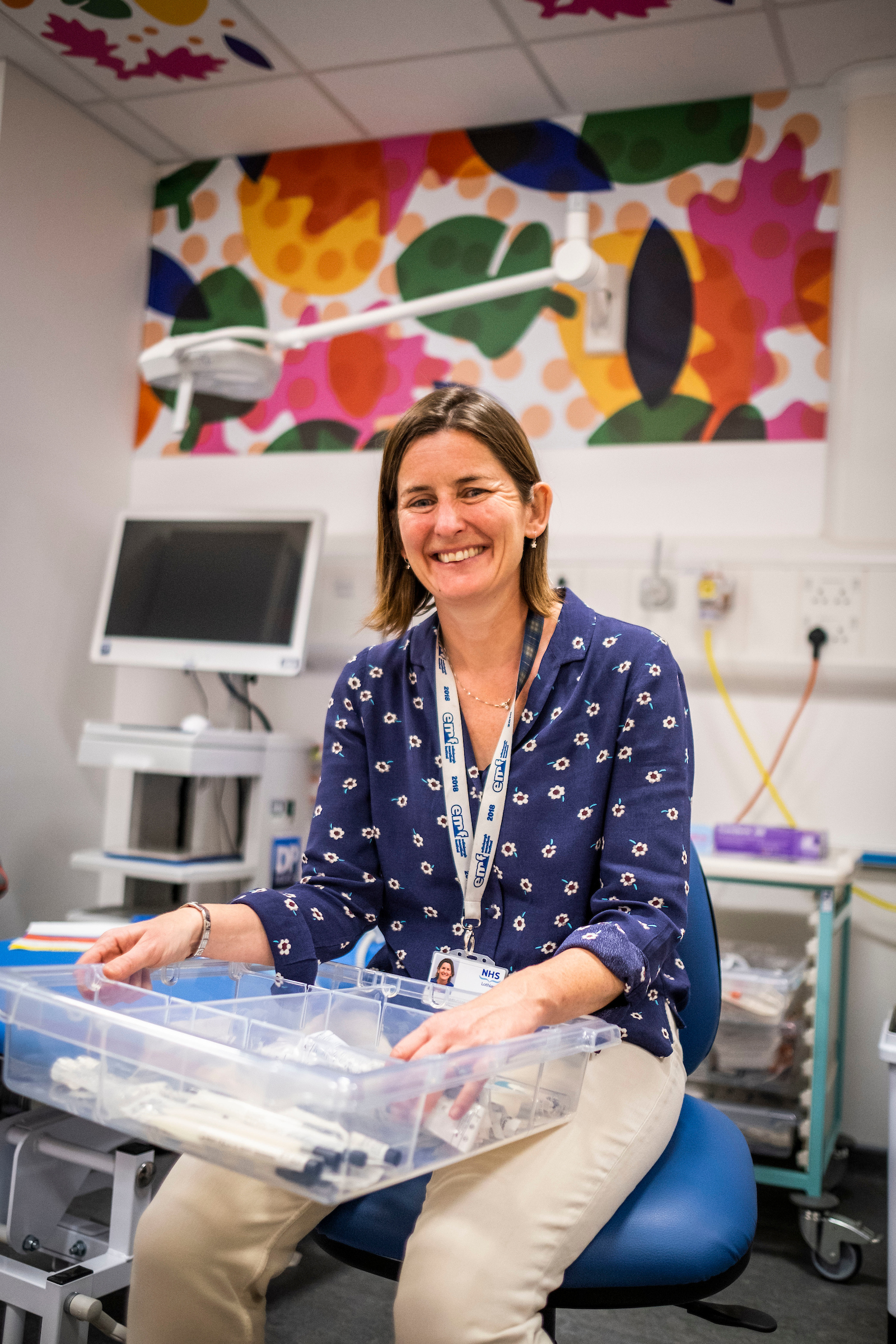
A general paediatrician is a doctor with a wide range of skills and knowledge to examine babies, children or young people, help diagnose a range of conditions, or plan tests and checks to understand more about what’s going on inside or outside of the body. Patients are referred to general paediatrics by their GP, by the accident and emergency department or sometimes by other specialists at other hospitals across NHS Lothian.
Our work includes:
- Reviewing patients with an ongoing condition
- Visiting children and young people on the ward as part of their care
- Arranging emergency admissions – usually through the Emergency Department
- Teaching and training other doctors, medical students and specialists
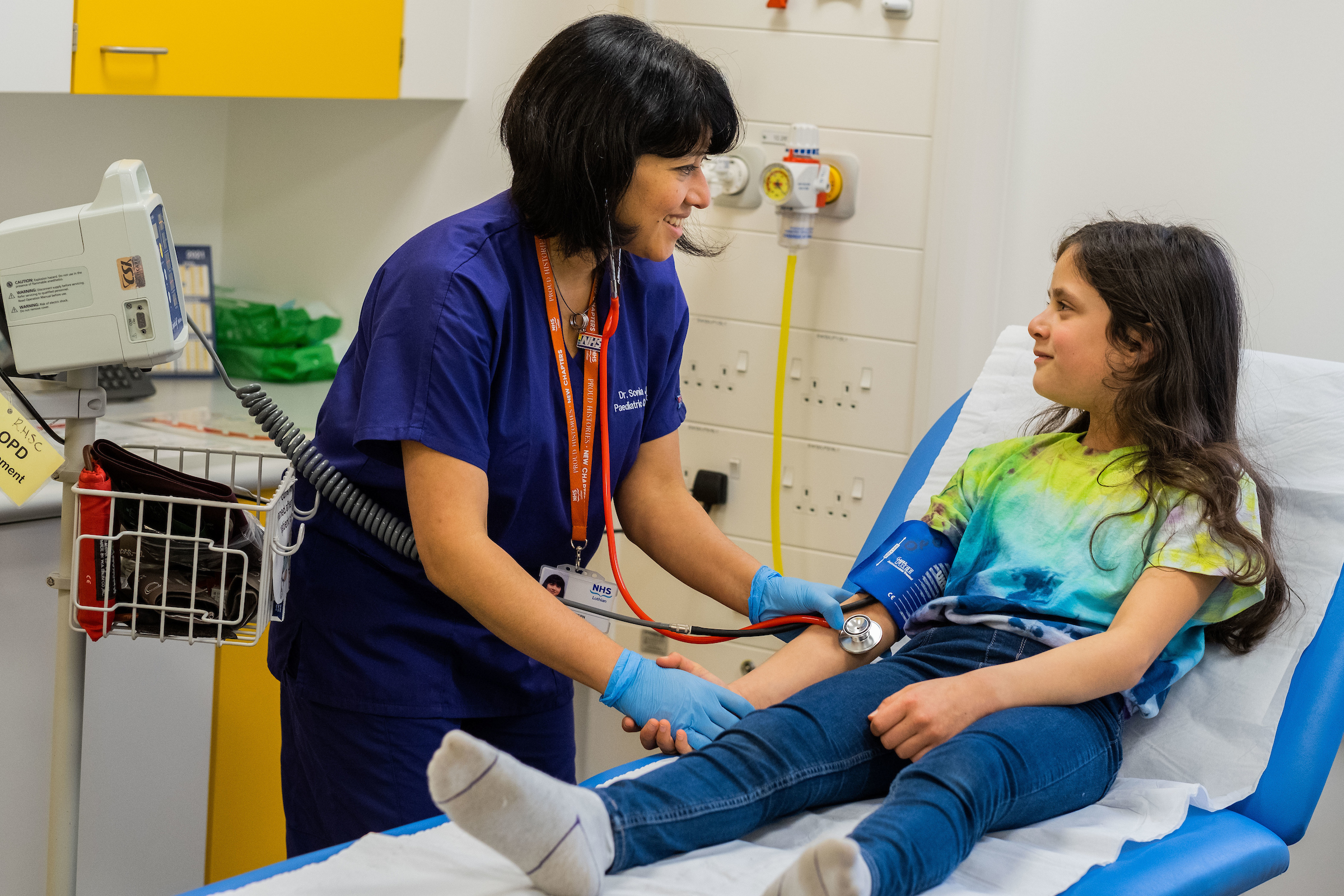
Coming to a clinic
General paediatric appointments are held at Outpatient clinics at several locations across the Lothian region. Please check your letter carefully, to understand exactly where your appointment will take place.
It can help to bring your child’s red book (personal child health record) and any of your child's medicines. Parents or carers might also find it helpful to think about any questions they have before the appointment – writing them down can be a useful reminder.
Patients might come to us with headaches, tummy troubles, poor growth or with an illness. To understand how best to help, tests or checks like an x-ray or scan might be needed. You can read more about the tests and x-rays section. Opens in new window
Appointments are usually 20-30 minutes long. Sometimes students and other visitors might be asked to observe an appointment to help them learn. Families will always be asked for their permission first.
What happens next?
A patient might only need to be seen once – others might need several follow-up appointments. Sometimes a patient’s care needs to be planned together with a bigger team of specialists from other departments. Doctors will discuss whether follow-up appointments are needed with each family, depending on what each child needs. These may be face to face, by video or by telephone. Once a child is discharged (no further treatment needed), a letter is usually given (or posted) to them with a copy sent to the child’s GP. There will usually be a contact number in case families have any further questions.