The Scottish Paediatric Epilepsy Surgery Service (SPESS) is a specialist service made up of experts from across Scotland who all help decide if surgery will benefit children with epilepsy.
SPESS is a ‘multi-disciplinary team’ which means many different health professionals all work together. This includes the epilepsy surgery team based in Edinburgh, and consultant paediatric neurologists, epilepsy nurse specialists, neurophysiologists, radiologists, psychologists, occupational therapists, speech and language therapists and physiotherapists from around the country.
The epilepsy surgery team works with local teams at district general hospitals who are involved in epilepsy care and specialists from Tayside Children’s Hospital in Dundee, the Royal Hospital for Children in Glasgow, the Royal Hospital for Children and Young People in Edinburgh, and the Royal Aberdeen Children’s Hospital in Aberdeen. Our patients can come from all over Scotland, so we try to treat young people as close to home as possible before and after any surgery. Most of the investigations are carried out locally. All surgeries and some specialist investigations take place at the Royal Hospital for Children and Young People in Edinburgh under the care of the epilepsy surgery team.
Is surgery an option for my child?
Many factors affect whether a child might benefit from epilepsy surgery. These will always be discussed individually with each family to think about the options, the potential benefits and the risks. The team understands that families will have many questions and will always make time to answer them.
Who can I talk to for more information?
Your child’s local consultant neurologist or paediatrician will be the best person to talk to about how epilepsy surgery could be an option in your child’s particular situation. Your epilepsy nurse specialist is also a very helpful source of information and guidance. Your child’s local consultant neurologist or paediatrician and epilepsy nurse specialist are all connected to the epilepsy surgery team and can ask us to get in touch with you if you need more information.
If you would like more general information about the Scottish Paediatric Epilepsy Surgery Service (SPESS) or the epilepsy surgery journey please contact:
SPESS Service Coordinator
Phone: 0131 312 0631
Video for children - Getting epilepsy surgery
Meet the Epilepsy Surgery Team
Consultant Neurologists
Our two consultant paediatric neurologists are specialists in looking after children with neurological problems, and are especially knowledgeable about epilepsy and seizures. When a child has epilepsy surgery at the Royal Hospital for Children and Young People in Edinburgh, one of our consultant paediatric neurologist will oversee their care during their stay and to keep their local consultant neurologist or paediatrician informed.
Consultant Neurosurgeons
Our two consultant neurosurgeons (brain surgeons) are skilled experts in epilepsy surgery for children. When a child has epilepsy surgery, they work together to plan and do the surgery, and will explain everything that is involved to children and families. They will also make sure the surgery wound is healing well afterwards alongside the epilepsy surgery nurse specialist.
The Epilepsy Surgery Nurse Specialist
Our epilepsy surgery nurse specialist has many years of experience and will help inform you about the processes involved in epilepsy surgery, from discussion and assessment, to the surgery itself and all the way through to follow-up care. When a child has epilepsy surgery, our epilepsy surgery nurse specialist’s job is to talk to children and families about what is happening at each stage and to provide support.
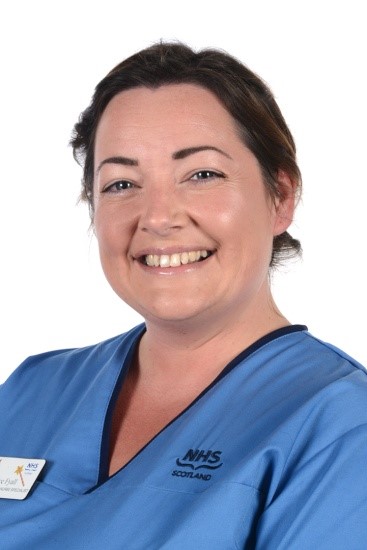
The Service Coordinator
Our service coordinator is the person who looks after arrangements for the epilepsy surgery team. If you wish to contact the service about appointments, they are the person to call.
Ph: 0131 312 0631.
Why epilepsy surgery?
When are children considered for surgery?
Children are considered for epilepsy surgery if they have seizures that are not well controlled by anti-epileptic medication, they experience unacceptable side-effects from treatment, or their investigations (medical tests or assessments) show that a part of the brain has an abnormality that is a likely cause of the seizures.
Epilepsy surgery is usually recommended for a child with focal epilepsy. Modern methods of investigation mean it is now possible to offer surgery much earlier and to younger children so we may consider surgery for children if it is clear at an early stage that seizures are particularly difficult.
How can surgery help epilepsy?
The aim of surgery is to remove the underlying cause of seizures in the brain or to interrupt the pathways that seizures take. Surgery can be helpful in situations where epilepsy is caused by a specific abnormality in part or parts of the brain, or when there may be some form of scarring, tumour or lesion on the brain.
In some cases, it may not be possible to remove the cause of the seizures but it may still be possible to reduce seizure frequency and severity by interrupting the pathways they take in the brain or reducing how far seizures spread in the brain. In some cases, your care team may be able to reduce or stop epilepsy medication after a period of being free from seizures.
Borthwick Ward
Children with problems affecting their brain are looked after on the Borthwick Ward at the RHCYP in Edinburgh so that all of the specialists they need can care for them in one place. If you need to come to the Borthwick Ward and stay overnight, important details about meal times, the daily routine and visiting times will be explained to you when you arrive.
Who will care for my child in the hospital?
You will likely meet a lot of people during your appointments and while staying on the ward. Staff should always introduce themselves, with their name and what they do. Please remind them if they forget!
You may not need to meet everyone introduced in this section.
Neurology team
Your child will be looked after by a consultant paediatric neurologist who will lead a team of other doctors, including specialist neurology registrars, registrars and junior doctors.
Neurosurgical team
The two consultant neurosurgeons from the epilepsy surgery team will perform your child’s surgery together. Other paediatric neurosurgeons and specialist neurosurgery registrars may also be involved in your child’s care before and after their surgery.
Epilepsy Surgery Nurse Specialist
The epilepsy surgery nurse specialist will continue to see you and your child, and provide information, guidance and support throughout your hospital stay.
Neurophysiology team
The neurophysiology team do investigations to help diagnose and monitor epilepsy and other neurological (brain) conditions by looking at how the brain and the nerves work. They can also provide helpful information during epilepsy surgery in the form of intra-operative monitoring. Find out more about the neurosciences department Opens in new window
Borthwick Ward nursing team
A Senior Charge Nurse manages each ward. Day-to-day care is provided by staff nurses, nursery nurses, student nurses, and clinical support workers. All are experienced in caring for neurosurgical patients.
Play specialists
Play specialists have lots of toys and games to occupy children in the playroom or bed on weekdays. Play specialists may also prepare your child for procedures (like blood tests) that they may have and offer distraction during the procedure. Find out more about the play Opens in new window .
Anaesthetic doctor and pain management team
The anaesthetic doctor will see your child before and after your child’s surgery. Your child will be asleep during the surgery and be woken up by the anaesthetic doctor afterwards. The anaesthetic doctor is also part of the pain management team, who help make sure your child is comfortable and pain-free after their surgery while they are in hospital.
Physiotherapy team
The Physiotherapy team will see your child before, during and after their epilepsy surgery to determine if there are any differences in their strength or ways of moving after surgery. The Physiotherapy team will assess and work on any rehabilitation needs your child may have after their surgery and help them adjust. If they are having investigative surgery, your child will be in bed for the week, and the Physiotherapy team will assess your child’s chest and muscles daily. Some days this could be direct, hands-on treatment and some days, it could be a discussion with the team. The Physiotherapy team will assess and work on any rehabilitation needs your child may have and help them adjust.
Speech and Language team
The Speech and Language team may see your child before and after their epilepsy surgery to determine if there are any differences in how your child communicates or swallows food and drink after surgery. They will give individual, tailored support if rehabilitation in these areas is needed.
Occupational Therapy team
The Occupational Therapy team is mostly involved after your child’s epilepsy surgery to make sure your child feels confident doing day-to-day activities that are important to them. Occupational Therapists will assess your child’s needs and can recommend approaches or techniques, teach new skills and suggest changes to equipment or how rooms are arranged to help everyday life.
Dietician team:
If your child is sleepy or having issues eating and drinking, the Dietician team with oversee things to make sure your child is getting the nutrition they require.
Staying with your child
Every patient bed on the Borthwick Ward has a fold-down bed for a parent or carer to sleep next to their child. Accommodation can also be available at Ronald McDonald House Opens in new window on the top floor of the hospital. A member of the ward team can check whether a room is available.
Theatre pyjamas can be ordered from Pyjama Fairies. Opens in new window
Family Support
Having a child in the hospital can be a worrying time for all the family. Family Support is available with a range of services, including help with travel costs, a place to get away from the wards, financial and benefits advice or sometimes just a listening ear. Find out more about the support available. Opens in new window
Edinburgh Children’s Hospital Charity
Edinburgh Children’s Hospital Charity supports children, young people and their families using the hospital and other healthcare settings in the wider community. They aim to ensure children and young peoples’ lives are less interrupted by illness and their families are supported. They have a base in the hospital that families are welcome to go to.
Get in touch on 0131 6684949 or visit www.echcharity.org. Opens in new window
Kindred
It is a hospital-based charity for parents of children with complex medical needs or conditions. They can give help, support and advice, including advocacy. Find out more about Kindred. Opens in new window
Your epilepsy surgery nurse specialist
Your epilepsy surgery nurse specialist will be your first contact point in the lead up to surgery and is the best person to ask if you have any questions. You can phone or text them. If the epilepsy surgery nurse specialist is not available, a message can be left and you will be contacted as soon as possible.
Appointments and home visits
The epilepsy surgery nurse specialist will meet you after you decide that you would like your child to have epilepsy surgery. Meetings can be at home or in the hospital, and are for families to talk about any worries about coming to the hospital or the surgery, and to ask any questions. They will discuss the anticipated admission and recovery.
The epilepsy surgery nurse specialist has access to the information about your child that was gathered from discussions with the multi-disciplinary team and investigations so that they can understand more about each child’s general health. They often like to learn more about each child and discuss family circumstances to ensure that patients and their families have the right support.
Opportunity for the hospital visit
It can be helpful for some children and families to see the ward where they will be staying. The epilepsy surgery nurse specialist can arrange a tour of the Borthwick Ward at the Royal Hospital for Children and Young People (RHCYP) in Edinburgh, so you can see where your child will be staying during their surgery and recovery.
Investigation surgery
What is investigation surgery?
Investigation surgery looks at your child’s brain activity to find out where the seizures start in their brain with as much detail as possible.
This is called Invasive Monitoring SEEG (Stereo-EEG). Your child will need a surgery to put in small electrodes (thin wires that measure brain waves) directly into the brain through small holes in the skull. Your child will stay in the hospital and we will monitor their brain activity for around one week and video at the same time. At the end of the week, the neurosurgeons take out the electrodes with a second, shorter surgery. All children will need a general anaesthetic for the two surgeries. We do all SEEGs at the Royal Hospital for Children and Young People in Edinburgh, and your child will be looked after by the epilepsy surgery team.
The possible outcomes of an SEEG are that:
- We can offer epilepsy surgery. If the monitoring gives us good information about where the seizures are coming from in the brain and it would be safe to do a surgery there, we can then propose an epilepsy surgery. This discussion would usually take place a few weeks or months after the SEEG to ensure the evidence gathered is reported and reviewed by the epilepsy team and discussed with the multi-disciplinary team from around Scotland
- We are still unsure exactly where the seizures are coming from and we may need further investigations or tests
- We cannot offer a surgery because the area involved with seizures is not possible to operate on or there is not suitable evidence to support epilepsy surgery.
Renishaw Neuromate® robot
This robotic aid is a state-of-the art robotic ‘arm’ used during surgery to guide the electrodes used for SEEGs. It is programmed by our consultant neurosurgeons with your child’s most up-to-date MRI images to very accurately and safely insert electrodes into the brain without the need for open surgery. This helps patients recovery and the quality of information gathered from this investigation.
Getting ready for surgery
How are the dates for investigation surgeries decided?
Because the monitoring part of the SEEG happens for a week, the epilepsy surgery team works with many other teams to arrange a time when everyone is available. We usually plan for 6 SEEGs per year. We will offer you the date of the next available SEEG period to see if this will fit in with you and your family. Because of the way SEEGs are planned, the next available SEEG period may be much later, especially if many children are waiting. If the dates offered are not suitable, it may also be some time before the next dates become available. You may be prepared some time before your allocated date so you could take a late cancellation.
The epilepsy surgery nurse specialist will keep you informed about the potential dates and plans for invasive monitoring periods that can be offered to you, and can answer any questions you may have.
When a family accepts a surgery date, it will be confirmed in writing by a patient admission letter from the Royal Hospital for Children and Young People in Edinburgh.
Making plans for your child’s admission for surgery and recovery
It is important to plan your child’s admission for their SEEG and recovery carefully. The epilepsy surgery nurse specialist will provide you with as much help and advice as possible and work with you to make sure things are ready in a way that is right for you and your family.
As monitoring is continuous, your child will have to stay in their hospital room bed for most of the week. This helps us capture their seizures on video and record seizure activity with minimal interference. It is useful to bring activities to help your child pass the time. Borthwick ward has a portable DVD player and a small DVD library, but please feel free to bring along your own and any toys from home.
Coming to hospital for Investigation surgery
What happens the day before the surgeries?
Your child will be admitted one or two days before the first surgery to complete the final preparations. This is an opportunity for you to ask any further questions you may have.
When you arrive at Borthwick Ward, you will be shown your designated room.
Both the neurology team and the nursing team will complete their paperwork. The play specialists on the ward may be available to support the doctors or nurses to do a blood test
that must be done before surgery. The Physiotherapy team may want to carry out pre-surgery assessments if they have not done so already.
The anaesthetic doctor will visit your child before surgery to discuss your child’s general health with you and explain to you what the general anaesthetic will involve, including risks. They may prescribe some sedation to make your child a little sleepy before they come down for the operation. Your child will not be allowed to eat for six hours before surgery, but they will receive their regular anti-epileptic medication as usual. They can drink clear fluids up until two hours before surgery.
This can feel like a lot of information. Your child’s epilepsy surgery nurse specialist will do their best to offer support and answer any queries you have.
Consent
No surgery can be performed without the parent or carer’s consent, and the neurosurgery team will visit you with the consent forms for you to sign. This usually takes place on the day of surgery. Consent needs to be an informed decision, so the neurosurgeon will speak to you about the surgery’s potential risks and benefits before signing the consent form. This is the best time to ask any final questions you may have.
What happens on the day of surgery?
On the day of surgery, your child will have a bath or shower and have their hair washed with an antibacterial scrub, which reduces the chances of infection.
You may have decided with the anaesthetic doctor that a sedation medicine to help relax your child would be helpful. If so, this will be given, and your child will rest on a trolley bed before being called. If your child is unwell on the day of surgery, the anaesthetic doctor will review them and advise if surgery can proceed.
The nursing team will complete a surgery checklist and take you to the theatre when the neurosurgery team is ready. You and your child will go together to the anaesthetic room, and you can stay with your child until they go to sleep.
The length of each surgery is different for each child. It could take several hours, but this will be discussed with you before surgery. The epilepsy surgery nurse specialist will keep you updated whilst your child has surgery by sending you text messages to let you know how things are going. The neurosurgeons will aim to give you a brief update after the surgery is finished. The epilepsy surgery team or Borthwick ward nursing team will contact you when your child is awake and stable, and you will be able to go and see them.
The neurophysiology team will be in the room setting up the leads when your child returns. Nursing staff will carry out observations.
Surgery to remove the implants usually happens a week after the implant. This is a much shorter surgery, and children are usually only in the theatre for a few hours. If lots of information from the monitoring is gathered early, there may be the opportunity to take the implants out sooner. If not enough information is gathered, the monitoring period may have to be extended. The epilepsy surgery team will keep you updated over the week and discuss any changes to the plan.
How will my child feel when they wake up?
Your child will wake up in the recovery room and will be transferred back to the ward. They will be given regular pain relief (analgesia) to help keep them as comfortable as possible and medicine to help if they feel sick (anti-emetics).
Often, children wake up with a headache, and the degree of this varies from patient to patient. The team caring for your child will review this regularly and administer pain relief. They are in touch with the pain management team, who can help if your child is not coping with the discomfort. Your child will be looked after by our experienced Borthwick Ward nursing team, and the neurology team will visit every day.
During the first evening, your child is may feel sleepy. This is the effect of the anaesthetic and the surgery. Children often feel well within the first day, and the biggest challenge can be to keep them occupied whilst in bed and helping them cope emotionally with the week-long monitoring period.
When your child is on Borthwick Ward, you will be able to spend as much time with them as you want. Please check with the nursing team about the visiting policy for other family members and visitors.
During the monitoring period
After the first surgery is done, the monitoring period is similar to video telemetry but is more restrictive in terms of walking around. Your child will always have a designated one-to-one nurse or a trained staff member who will supervise your child both day and night to ensure their safety and observe for seizure activity. Parents can come and go during the week, and we encourage parents to take regular relief breaks and rest overnight.
Your child’s head will be bandaged to keep the electrodes comfortably in place. The electrodes are held in place by a stitch so they are secure, but pulling on them should be avoided and care should be taken when they are handled. Electrode wires should be only handled by staff. The leads (wires) from these electrodes will be connected to a small recording box (headbox) that will remain near your child. The leads remain plugged into this box for the week-long monitoring period. The staff will handle the wires and box when your child needs to stand to use the toilet and wash, and help from parents and carers with this is encouraged.
The nursing and neurophysiology staff will show you where the best place to position the small box, particularly when your child is asleep, to avoid injury to them or damage to the leads. This helps the information from the investigation be as good as it can be.
Sometimes having anaesthetic can result in children having fewer seizures for a little while, so there is nothing to worry about if your child does not experience seizures for the first few days.
After this, if your child is still not experiencing any seizures, the neurology team may discuss reducing your child’s medication. It is important to get as much information about their seizures as possible. Medication reduction can increase the risk of a longer seizure that could be bigger than your child’s usual seizures, and there will be emergency medication prescribed should this happen.
There is also a risk of status epilepticus where a big seizure continues and is difficult to stop. If this happens, your child may have to be transferred to the Critical Care unit for further medication and further observation. This is rare and will all be discussed with you in full before any decisions are made. We will seek your consent and ask you to sign a further form that says you have understood these conversations and consent to the medication reduction.
We understand you may find longer or bigger seizures frightening and difficult to watch. Please be reassured that the nursing staff are very experienced in dealing with these seizures and have access to doctors for advice and treatment at all times. There are many safety precautions in place for SEEGs. The staff will talk you through this should longer or bigger seizures occur. Medication will be increased back up to full doses as soon as possible so there is no delay to your child being able to go home.
Brain mapping
During the monitoring period, we sometimes perform a “mapping” of brain. This involves passing a small electrical current through some electrodes, which can help us find out what parts of the brain do important functions like speaking and moving. This can help the surgeons plan a surgery with less risks.
During this monitoring there will be a number of people in the room including neurophysiologists, neurology nurse specialists and sometimes other professionals.
The electrical current should not be painful but some children report odd sensations. Some children do not like the experience and it causes them anxiety and upset, and others deal with this fine or sleep through it. The epilepsy surgery team will prepare your child and support you through this.
When the current is running, it temporarily interferes with what that part of the brain normally does. We can learn that a part of the brain is important for:
- Language, if your child stops speaking when the current is running
- Movement, if your child’s limbs, body or face start and stop moving when the current is running
- Sensation, if your child feels tingling or numbness in a body part when the current is running.
This helps the neurosurgeons know areas to avoid during any future surgeries, or if epilepsy surgery involving that area of the brain would cause problems for your child.
Electrode stimulation
Sometimes the epilepsy surgery team will pass a small electrical current through some of the electrodes to purposefully try to provoke a seizure, which also provides important information about where your child’s seizures may be coming from.
Going home from hospital
Most children will be discharged the day after their implants are removed, but this can vary. You will be kept fully informed by the teams involved in your child’s care and will be free to ask questions at any time. The epilepsy surgery nurse will keep in contact with you once home and inform your local medical teams of your discharge. Children usually go back to school the Monday after they leave the hospital.
Recovery at home
Your child should be back to feeling themselves on the day of discharge, and a restful weekend is advised. Stitches from each electrode site will dissolve themselves. Hair can be washed as normal, and the small wounds should not be touched or picked.
Who to contact about wound infection
Wound infection is rare, but if you notice leakage from the wound of any colour, any redness, heat or increased swelling to the wound, or if your child is experiencing any headaches, ongoing temperature, vomiting or increased lethargy, please –
Phone Borthwick Ward to alert them – 0131 312 1333
Phone or text the epilepsy surgery nurse specialist (phone number provided at appointment)
Who to contact for non-urgent messages
If you have non-urgent messages or would like to update/chat things through, please –
Phone or text the epilepsy surgery nurse specialist (phone number provided at appointment)
Who to contact for anything urgent
Attend your closest A&E
Phone Borthwick Ward (24-hour advice) – 0131 312 1333
Attend your GP
What happens next?
Clinic appointment with the epilepsy surgery team
There is a lot of information to review and report from SEEG which may require discussion with the multi-disciplinary team, so follow-up may be several weeks or months later. The epilepsy surgery team will arrange to see you and your child the next time they are at a hospital close to your family’s home. This is an opportunity for the epilepsy surgery team to talk to you about the findings from the SEEG and to explain what happens next – one of three options:
- We can offer epilepsy surgery.
- We are still unsure exactly where the seizures are coming from and we may need further investigations or tests
- We cannot offer a surgery because the area involved with seizures is not possible to operate on or there is not suitable evidence to support epilepsy surgery.
Whatever the next steps, your child’s doctor will discuss it fully and answer any questions.
Epilepsy surgery
The exact type of epilepsy surgery recommended for your child will be discussed with the family at a clinic appointment.
Types of epilepsy surgery
Lesionectomy
This is considered when isolated lesions have been identified as the cause of seizures. Lesions can be tumours, congenital malformations of blood vessels, haematomas (a collection of blood outside of a blood vessel when blood leaks from a damaged vein, artery, capillary or blood vessel wall), or scars from a head injury or infection. The operation removes the lesion. A portion of the brain’s surrounding area may also be removed with the lesion, but only a small amount of tissue is cut away.
Focal resection
This is considered when one part of the brain is thought to be responsible for seizures. The operation aims to remove only the abnormal part of the brain that is causing epilepsy.
Hemispherectomy/Hemispherectomy
This operation disconnects or removes one half of the brain from the other. Children who may benefit from this procedure usually have a long history of weakness down one side of the body. This is usually the result of severe damage to the opposite side of the brain, which may have been present from birth.
Corpus Callosotomy
This is considered for children who have many seizure types, including ‘drop attacks’. Drop attacks occur when the child suddenly drops to the ground, either stiff or floppy and may harm themselves. The operation disconnects the two sides of the brain from each other, but no tissue is removed. This procedure aims to stop these ‘drop attacks’, but it will not affect the other seizure types.
Anterior Mesial Temporal Resection
This is considered when seizures are found to be coming from the temporal lobe. It involves the removal of a small part of the temporal lobe.
Getting ready for surgery
Your epilepsy surgery nurse specialist will be your first contact point in the lead up to surgery and is the best person to ask if you have any questions. You can phone or text them. If the epilepsy surgery nurse specialist is not available, a message can be left and you will be contacted as soon as possible.
Talking about expectations of surgery
Every child and family has different expectations about what epilepsy surgery can change for their child. The epilepsy surgery nurse specialist will discuss what differences you may see in your child if they undergo surgery. It is important to note every child is different, and their reaction and adjustment to surgery is also different.
This is also an opportunity for you to mention any problems or concerns you may have regarding your child and discuss if these will change or worsen after surgery. You will be asked to complete a questionnaire about this.
Making plans for your child’s admission for surgery and recovery
It is important to plan your child’s admission for surgery and recovery carefully. The epilepsy surgery nurse specialist and your local epilepsy nurse will give you as much help and advice as possible and work with you to make sure things are ready in a way that is right for you and your family.
Forms and paperwork
Our epilepsy surgery nurse specialist will go through some paperwork with you. These forms allow us to measure the effectiveness of surgery and its role in improving a child’s quality of life. We use this information to evaluate the effectiveness of surgery as a treatment and to prepare future families. We repeat these forms yearly for 5 years in the nurse-led clinic to get a full picture of each patient’s progress. These questionnaires are completed by family members, teachers, and the child themselves (if they are at an age and stage to be able to) and relate to their strengths, difficulties and quality of life. There is also a questionnaire for families about the impacts their child’s epilepsy might be having on family life.
Coming to hospital for Epilepsy Surgery
The day before surgery
Your child will be admitted one or two days before the surgery to complete the final preparations. This is an opportunity for you to ask any further questions you may have.
After some surgeries, children are admitted to Critical Care. You will have the opportunity to visit the Critical Care areas, where your child may be in the first 12 to 24 hours following their epilepsy surgery if staff need to keep a very close eye on them. In the Critical Care area, it is impossible to sleep at the bedside but it has a family sitting room and two-parent/carer bedrooms are available for short term stays on the ward. Usually, the decision regarding the need for a critical care bed will have made before admission. On occasion, the neurosurgeons and anaesthetic doctor may decide this is necessary during surgery and discuss the reasons for this with you.
Both the neurology team and the nursing team will complete their paperwork. The play specialists on the ward may be able to support the doctors or nurses to do a blood test that must be done before surgery. The Physiotherapy team and Speech and Language team may want to carry out pre-surgery assessments if required.
The anaesthetic doctor will visit your child before surgery to discuss your child’s general health with you and explain what the general anaesthetic will involve, including risks. They may prescribe some sedation to make your child a little sleepy before they come down for the operation. Your child will not be allowed to eat for six hours before surgery, but they will receive their regular anti-epileptic medication as usual. They can drink clear fluids up until two hours before surgery.
The epilepsy surgery nurse specialist will do their best to see you to offer support and answer any queries you have.
Consent
No surgery can be performed without the parent or carer’s consent, and the neurosurgery team will visit you with the consent forms for you to sign. This usually takes place on the day of surgery. Consent needs to be an informed decision, so the neurosurgeon will repeat the potential risks and benefits of the surgery discussed in the clinic before you sign the consent form. This is the best time to ask any final questions you may have.
On the day of surgery
On the day of surgery, your child will have a bath or shower and have their hair washed with an antibacterial scrub, which reduces the chances of infection.
You may have decided with the anaesthetic doctor that a sedation medicine to help relax your child would be beneficial. If so, this will be given, and your child will rest on a trolley bed before being called. If your child is unwell on the day of surgery, the anaesthetic doctor will review them and advise if surgery can go ahead.
The nursing team will complete a surgery checklist and take you to the theatre when the neurosurgery team is ready. You and your child will go together to the anaesthetic room, and you can stay with your child until they go to sleep.
Usually, some hair will be shaved at the time of the surgery, where the incision (surgical cut) is going to be made on your child’s head. The neurosurgeon will have shown you where this will be when they explained the surgery to you. The hair will re-grow after the surgery.
The length of each surgery depends on the type of surgery being carried out. Surgery may take several hours, but this will be discussed with you before surgery. The epilepsy surgery nurse specialist will keep you updated whilst your child has surgery by sending you text messages to let you know how things are going. The neurosurgeons will aim to give you a brief update on how things went after the surgery is finished. The epilepsy surgery team or Borthwick ward nursing team will contact you when your child is awake and stable, and you will be able to go and see them.
After surgery
How will my child feel when they wake up?
Your child will wake up in the recovery room and either be transferred back to the ward or to the Critical Care area to be watched closely, depending on what is best for them. They will be given regular pain relief (analgesia) to help keep them as comfortable as possible and medicine to help if they feel sick (anti-emetics).
Often, children wake up with a headache, and the degree of this varies from patient to patient. The team caring for your child will review this regularly and administer pain relief. They are in touch with the pain management team and can contact them if your child is not coping with the discomfort. If all is well, your child will be back on the Borthwick Ward as soon as possible, if they are not already. Your child will be looked after by our experienced Borthwick Ward nursing team, and the neurology team will visit every day.
During the first few days, your child is likely to feel very tired and sleepy. This is the effect of the anaesthetic and the surgery. Your child may have days when they feel better or worse than others, which is entirely normal. We should see a small improvement each day, but it is not uncommon for recovery to be up and down. If you are concerned, speak to the Borthwick Ward nursing team, who will explain everything and answer your questions.
The epilepsy surgery nurse specialist will be able to provide more information about anticipated recovery and expected challenges after surgery that are specific to your child and the surgery they had.
When your child is on Borthwick Ward, you will be able to spend as much time with them as you want. Please check with the nursing team about the visiting policy for other family members and visitors.
Seizures may occur after surgery, and this does not mean that the surgery has been a failure. Your child’s anti-epileptic medication will not change for at least 12 months, but your local consultant neurologist or paediatrician will manage this.
If your child needs to be seen by the Physiotherapy, Occupational Therapy, or Speech and Language Therapy teams to help with their recovery, they will come to the ward.
Going home from hospital
Most children stay in hospital after surgery for around 7 to 10 days, but this depends very much on the epilepsy surgery your child had and their needs after surgery. Children who have a type of surgery with known rehabilitation needs will stay in hospital for longer. You will be kept fully informed of what is happening by the teams involved in your child’s care and will be welcome to ask questions at any time.
The first thing that is considered when planning a discharge is if all the teams involved in your child’s care are happy that your child has recovered to an extent where they will do well at home. Sometimes, this is when your child’s general health meets certain criteria, and sometimes when their progress with rehabilitation has reached a certain point. You can speak to anyone involved with your child’s care about your child’s specific considerations if you like.
The second thing that is considered for discharge is that other healthcare professionals know your child’s needs so you can continue to receive support after leaving the hospital. Planning for this will start on, or soon after, arriving at the hospital. You and the teams involved with your child’s care will be involved in discussions about your child’s needs. The epilepsy surgery nurse specialist will ensure that your local consultant neurologist or paediatrician and health professionals are well informed.
You will be provided with a ‘Going home from hospital’ information booklet.
There may be some time between feeling ready to go, and everything being arranged and finalised on the day, but we will do our best to make things run as smoothly and efficiently as they can.
When your child is home from hospital, you can contact your child’s local consultant neurologist or paediatrician, local epilepsy nurse specialists, or the epilepsy surgery nurse specialist for advice and support.
Recovery at home
Recovery at home should involve doing a little bit more each day and resting when required; tiredness can still be significant during this period. If your child has a good or busy day, it would not be uncommon to feel more tired the following day.
Try to ensure that your child drinks plenty of fluids, eats regular meals, and sleeps or rests when they feel the need without turning their sleep cycle upside down. This will aid their recovery. Building back up physical fitness and adjusting to fatigue can take several weeks.
Seizures:
Do not be alarmed if your child has seizures; this is not uncommon at this stage and is no indication of the surgery outcome.
For seizures that are focal and non-urgent please –
Phone your local epilepsy nurse specialist
Update the epilepsy surgery nurse specialist after speaking to your local team.
If your child has a generalised convulsive seizure, please –
Phone 999 for an ambulance and attend your closest A&E (Accident and Emergency) for review.
Medication:
It is essential to continue with anti-epileptic medication and not miss doses as your child’s seizure threshold can be very low after surgery.
For pain relief, give your child pain relief as explained by the nursing team (and guidance on bottles). After a few days, try to spread out the doses to give pain relief when needed rather than in a set routine.
If you have concerns about pain relief and pain management, contact the epilepsy surgery nurse specialist or your GP for guidance and further prescriptions.
Wound care:
A wound infection can occur up to two weeks after surgery or longer if the wound is re-opened by picking or scratching the scab. This can lead to infection of the fluid in and around the brain, which though rare can lead to life-threatening illness. Picking the scab too early also disrupts the granulation process of healing and can lead to more noticeable scarring. Your child should not scratch or pick the wound. Keep your child’s fingernails short and use dressings.
Around 2-3 days after surgery, the wound can be lightly washed with a light showering of water and patted dry.
Around 5 days after surgery, the wound can be washed lightly with neutral/baby shampoo with minimal scrubbing, light showering and dry patting.
Wound infection is rare, but if you notice leakage from the wound of any colour, any redness, heat or increased swelling to area surrounding any surgical sites, or if your child is experiencing any headaches, ongoing temperature, vomiting or increased lethargy, please –
Phone Borthwick Ward to alert them – 0131 312 1333
Phone or text the epilepsy surgery nurse specialist
A wound review will be organised for your child, either at home, on Borthwick Ward or at your local hospital.
Fluid between the skull and the skin is not uncommon and should go away with time but can be discussed if you are concerned. Please –
Phone Borthwick Ward – 0131 312 1333
Phone or text the epilepsy surgery nurse specialist
Rehabilitation:
Try to follow a routine. To gradually build up fitness, you should aim to help your child be up and active for a short part of every day and gradually build this up as they start to feel they have more energy. This can be walking around the house and garden, going out for lunch or short walks and so on, with rest periods like a mid-afternoon snooze or watching a movie scheduled in.
Socialising is of great importance and even when your child is not yet ready to return to school, a social visit to join friends for lunch or a special event can be very good for rehab.
Do not panic if your child is doing really well then has an off day; this can be common – rest and reassess the following day. If they had a busy day, the next day, they might have to relax and not do very much. Your child and their behaviour will guide you.
Sleep:
Sleep can often be disturbed, broken or back-to-front after surgery. Whilst rest periods and day naps can be required and important, if your child is having disrupted overnight sleep try not to let them sleep too much during the day. It can be helpful to give pain relief right before your child goes to bed for the night.
Emotions and behaviour:
Your child has been through a time in the hospital where their control over the situation was extremely limited. There will be a lengthy adjustment for them to reflect on all that has happened, adapt to how different they may feel and accept the limitations that recovery places on them. Your child may have difficulty expressing emotions, which may cause frustration that they may struggle to control. Try to help them focus on the positives and encourage activities that make them happy or laugh.
There will be difficult days, which is normal, but good days will hopefully outnumber the bad days.
If you have concerns about your child’s mood or behaviour, especially uncontrollable behaviour or marked changes to mood, please –
Phone or text the epilepsy surgery nurse specialist
Activities:
When your child feels able, return to light activities that do not carry risks of bumps to the head (it is understood that not all risks can be eliminated, but they should be minimised).
After 4-6 weeks, begin a phased return to school. Some children are ready to return to school sooner than this. This should be discussed with the school and the epilepsy surgery team. The epilepsy surgery nurse specialist will phone the school prior to your child returning.
Scooter and bikes should be avoided for 12 weeks.
Swimming is okay after 12 weeks if the wound is water tight.
Contact sports should be avoided for 6 months after surgery, and returning to contact sports should always be discussed with the epilepsy surgery team first.
Other times to get in touch
There will be good days and challenging days, and adjusting is different for everyone. Parents can often feel very tired, stressed, emotional, depressed and not able to cope. A positive routine can help to normalise and reduce anxiety. If there is anything that feels out-with your comfort or control, do not worry alone – please speak with us.
Who to contact if your child is experiencing any headaches, ongoing temperature, vomiting or increased lethargy within the first month of going home
Phone Borthwick Ware – 0131 312 1333
Phone or text the epilepsy surgery nurse specialist
Who to contact for non-urgent messages
If you have non-urgent messages or would like to update/chat things through, please –
Phone or text the epilepsy surgery nurse specialist
Who to contact for anything urgent
Attend your closest A&E
Phone Borthwick Ward (24 hour advice) Ph: 0131 312 1333
Attend your GP.
What happens next?
Clinic appointment with the epilepsy surgery team
The epilepsy surgery team will arrange to see you and your child the next time they are at a hospital close to you. This is an opportunity for the epilepsy surgery team and your child’s local consultant neurologist or paediatrician to find out how recovery at home has been going and to explain what happens next. This can involve talking about any investigations (medical tests or assessments) that will need to be carried out in future, such as MRI and neuropsychology evaluations, and what the plan is for your child’s anti-epileptic medication. Your child’s usual medication will likely need to continue for at least a year or more after surgery and the reasons for this will be explained to you. The neurosurgeon will also have a look at your child’s wound to make sure it is healing well.
Often following this appointment, your child will be discharged from review with the epilepsy surgery team. If this is the case for your child, this will be discussed during the appointment and you can ask any questions. At this time, the epilepsy surgery team will largely step back from ongoing involvement, though our epilepsy surgery nurse specialist will be available to talk to for support and advice at any time, and will review your child annually for five years after their surgery to collect data and review seizure status.
Your local healthcare team has been informed of everything that has happened with your child’s epilepsy surgery by the epilepsy surgery team and our epilepsy surgery nurse specialist, so they will be knowledgeable about your child’s situation and healthcare needs following surgery.
Annual review appointments with the epilepsy surgery nurse specialist for 5 years
The epilepsy surgery nurse specialist will continue to be in contact with you and your child for five years following the surgery for annual review appointments to gather information about your child’s progress and provide support to your family. This is called the SPESS Nurse Led Clinic.
These appointments can be in-person when the epilepsy nurse specialist conducts the clinic at a hospital close to your family’s home, or by a NHS Near Me video consultation. We aim to see children in the SPESS Nurse Led Clinic as close to the yearly anniversary of your child’s surgery so you can review the past year together.
Family feedback
We encourage our patients and families to share feedback about their experience to learn and improve. We hope to share some patient stories soon.
Information for professionals
On average, 10 SPESS MDTs are held per year. These are hosted in Edinburgh, Glasgow, Dundee and Aberdeen. They are attended in person and through video conferencing facilities by representatives from clinical neurology, neurosurgery, neurophysiology, neuropsychology, neuropsychiatry and neuro-radiology to ensure cases are discussed with depth and range by relevant professionals throughout Scotland.
Referring to SPESS
Eligibility
Children who are included in the target group for SPESS will have first:
Been referred to their nearest tertiary Paediatric Neurology centre before turning 16
Been considered as part of the Scottish Paediatric Epilepsy Network’s (SPEN) Continuing Epileptic Seizures Care Pathway
SPESS Referral Criteria
- Children should be referred for assessment by the national SPESS centre if they meet one of the following criteria:
- Children with catastrophic early-onset epilepsy with evidence of lateralisation of the seizure onset
- All children under 24 months old with evidence of focality of seizure onset, with or without an MRI evident lesion
- Children of any age with evident focal epilepsy, or lateralised seizures associated with congenital hemiplegia, resistant to two appropriate antiepileptic drugs (AEDs)
- Children who have epilepsy associated with a lateralised abnormality seen on a brain scan
- Children with epilepsy associated with Sturge Weber syndrome, benign tumours with developmental issues and/or ongoing seizures, or Rasmussen’s syndrome
- Children of any age with epilepsy associated with tuberous sclerosis resistant to two AEDs where seizures may arise from a single focus (probably from a single tuber)
- Children who have ‘drop attacks’ as part of a more complex epilepsy
- Children with epilepsy associated with hypothalamic hamartoma
