
Welcome to the anaesthetic department at the Royal Hospital for Children and Young People in Edinburgh. We also have colleagues working at St. John’s Hospital in Livingston looking after babies, children and young people on the children’s ward there.
Anaesthetists (sometimes known as ‘sleepy doctors’) look after any child who needs to come to hospital for a procedure, scan or treatment needing sedation or a general anaesthetic. We are a department of consultants, trainees, specialist nurses and play specialists caring for children before, during and after their procedure.
On this page you can find out what we do, who we are and how you can feel more prepared for your visit to the hospital.
What does an anaesthetist do?
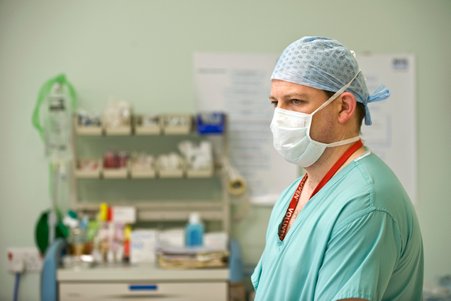 Alongside our specialist pain nurses, anaesthetists are part of the pain team, helping to keep children comfy wherever they are in the hospital and whatever the cause of their pain. We also see children with more chronic conditions in outpatient clinics. Some of us work in critical care and we are all involved in the Emergency Department and helping in an emergency anywhere in the hospital. Some of us even get to fly and help patients in the air ambulance!
 Meet the team
Directors
Consultant Anaesthetists
Departmental Secretary
Pain Nurses
Crichton Ward, Play Specialists
Trainees
As a teaching hospital and the paediatric trauma centre for south-east Scotland, we often have visitors coming to learn with us - from undergraduate medical school students to anaesthetic trainees to visiting consultants. We are delighted to have them training here and hope you can also appreciate the role they play both now and in the future. Please know that they will always have an appropriate level of supervision and support from our regular consultants.Types of Anaesthetic
- using medicines given through a cannula or ‘straw’ often put into the back of the hand with the help of some magic numbing cream.
- by breathing in some sleepy gas via a facemask.
Having an anaesthetic: feeling prepared
Fasting
Fasting means not having anything to eat or to drink for a certain amount of time. Children need to have an empty stomach when they come for their anaesthetic – this means no food for 6 hours beforehand (including cow’s milk or formula), and no breast milk for 4 hours beforehand. Clear fluids like water, diluting juice (or even black tea or coffee!) are ok up until an hour before surgery. Most children are given one of two arrival times: If you have been asked to arrive at 7.30am or 8am, the first operations will start at 9am. Food is not allowed from 3am and no breast milk after 5am. If you have been asked to arrive at 12 noon, operations start from 1.30pm. Food is not allowed after 7.30am and no breast milk after 9.30am. Late changes, emergencies and cancellations mean that the exact time for each child’s operation is only known on the day. Staff on the ward will keep everyone up to date and confirm the latest time each child can have a drink until (e.g. water or diluting juice). A snack is offered to each child after they have recovered from their operation or procedure – usually some freshly-made toast and a drink. Delicious! If you have any questions about fasting, or need to check the times for your child, please check your admissions letter or call Crichton Ward on 0131 312 0970 (Monday-Friday, 8am–5pm).Further information
The Royal College of Anaesthetists has some helpful activities, guides and leaflets all about having an anaesthetic with versions for adults, children and young people.
There are some common risks, events and side effects that otherwise healthy children can face when having a general anaesthetic.
